Sheffield is one of the UK's great student cities, home to roughly 60,000 students and two very different universities sitting just a mile or two apart. The University of Sheffield and Sheffield Hallam University share the same streets, the same tram network and many of the same local pubs — but they have distinct identities, academic cultures and reputations that are worth understanding before you choose between them.
History and Status
The University of Sheffield was founded in 1905, growing out of three predecessor colleges, including Firth College (1879) and Sheffield Medical School (1828). It is a member of the Russell Group — the 24-strong association of the UK's leading research-intensive universities — and consistently ranks among the top 100 universities in the world. In the QS World University Rankings 2026, it sits at 92nd globally, and the Times Higher Education ranks it 98th. It has produced five Nobel Prize winners and holds five Queen's Anniversary Prizes for research.
Sheffield Hallam University has older roots — it was founded as a school of design in 1843 — but only gained university status in 1992, when it transitioned from Sheffield Polytechnic. It is one of the UK's largest modern universities and sits in the 1001–1200 band in the QS World Rankings, reflecting its identity as a teaching-focused rather than research-led institution. Its mission is centred on applied, practical learning and strong industry partnerships rather than academic prestige.
Location and Campus Layout
The two universities are geographically distinct, which shapes the character of student life considerably.
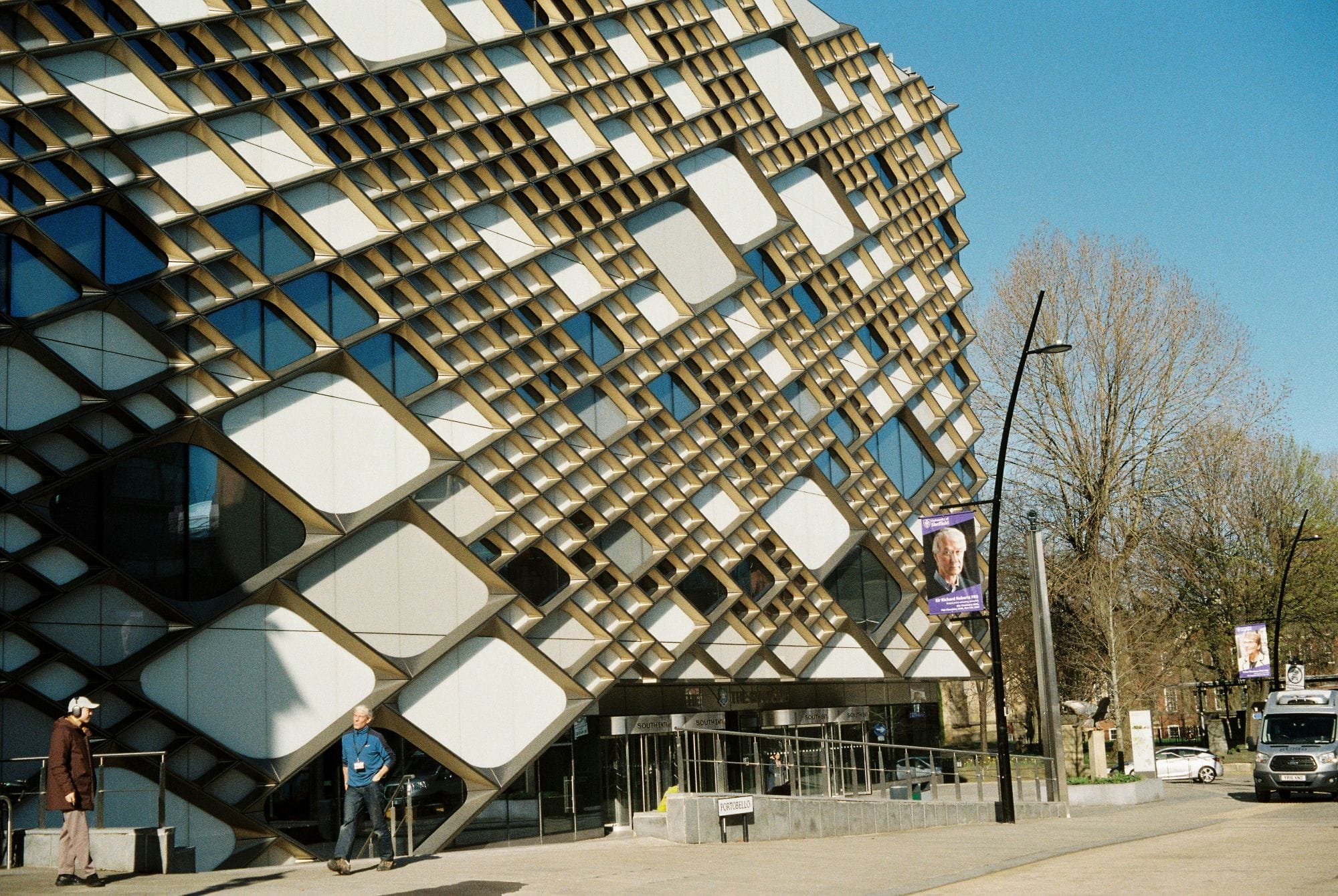
The University of Sheffield does not have a single, enclosed campus. Its buildings are spread across the south-west fringe of the city centre, clustered around Western Bank, Mappin Street and surrounding roads — a mile-long stretch of Victorian and modern buildings intertwined with residential streets. The main facilities, including the iconic Diamond building (an £82 million engineering and learning centre) and the Students' Union on Western Bank, are walkable from one another, though outer departments such as the engineering buildings on Mappin Street can be a 20–35 minute walk from student accommodation in Ranmoor and Endcliffe. The campus has a traditional university feel, with green squares and older architecture alongside newer buildings like The Wave (opened 2023) for Social Sciences.
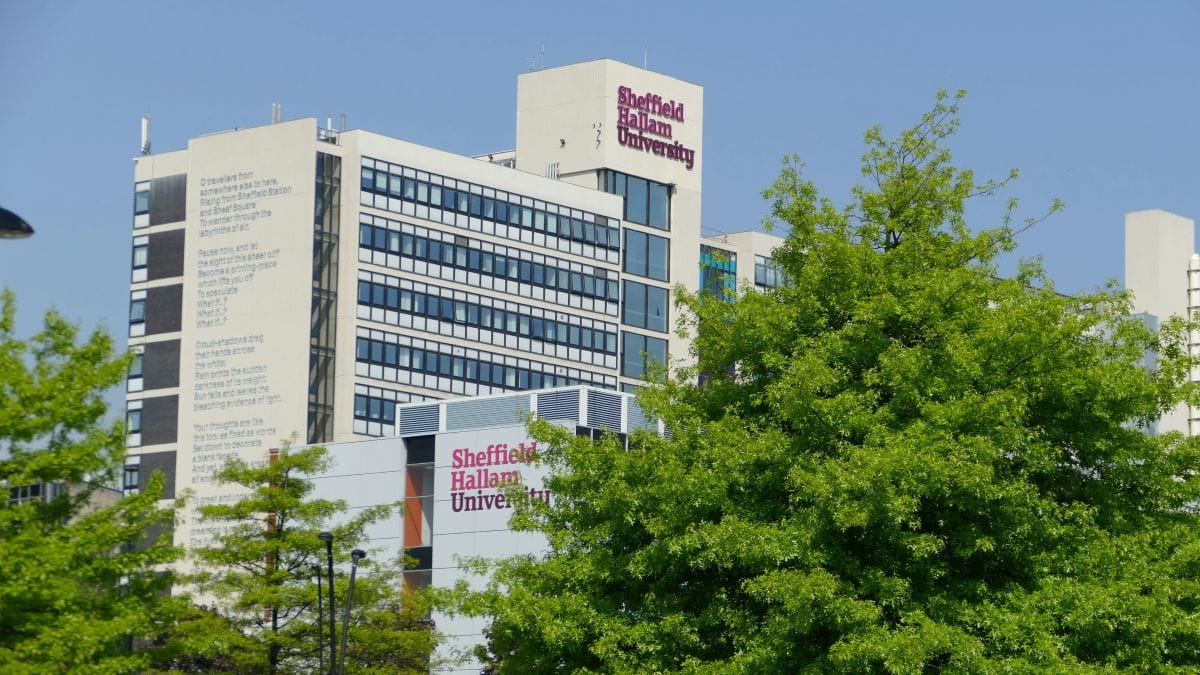
Sheffield Hallam University operates primarily across two sites. Its City Campus is right in the heart of Sheffield city centre, just a few minutes' walk from Sheffield railway station and the main bus interchange. This makes it exceptionally well-connected for commuter students. The Students' Union building (HUBS) is on City Campus — the distinctive curved building was originally the National Centre for Popular Music. The Collegiate Crescent Campus sits about two miles to the south-west, in the Broomhall area off Ecclesall Road, and caters primarily to health, education and social care subjects. A third campus at Brent Cross Town in London was expected to open for the 2025–26 academic year, extending Hallam's reach nationally.
Student Demographics
The University of Sheffield has approximately 28,280 students (2024/25 figures), of whom around 20,215 are undergraduates and 8,065 postgraduates. The university draws students from over 150 countries, giving it a genuinely international character. Entry requirements are competitive, reflecting its Russell Group status, and the student body tends to skew towards school leavers with strong A-level or equivalent results. The gender split is broadly balanced.
Sheffield Hallam University is one of the UK's largest universities by headcount, with around 30,765 students in 2024/25, including approximately 21,990 undergraduates and 8,775 postgraduates. Of these, around 4,400 are international students. Hallam is well known for its inclusive admissions approach and has a significantly higher proportion of mature students, part-time learners, first-generation university attendees, and students from lower-income backgrounds than the University of Sheffield. Its acceptance rate is considerably more accessible, making it a popular choice for students who may not meet the grade thresholds of a Russell Group university. The male-to-female ratio is approximately 45:55.
Courses and Academic Focus
The University of Sheffield offers a broad range of undergraduate and postgraduate programmes with a strong emphasis on research-led teaching. Its most celebrated departments include Engineering (particularly civil, mechanical and materials engineering), Medicine, Law, Politics, Social Sciences, and Architecture. The university is also highly regarded for Physics, Chemistry and the Life Sciences. Students at Sheffield typically engage with cutting-edge research from their first year, and a large proportion go on to postgraduate study or research careers. The Faculty of Medicine, Dentistry and Health offers one of the UK's respected medical degrees (MBChB). Entry grades are typically ABB–AAA at A-level, depending on the course.
Sheffield Hallam University offers over 500 undergraduate and postgraduate programmes across a wide range of subjects, with a particular strength in vocational and professionally accredited courses. It is especially strong in Nursing, Midwifery and Allied Health Professions (with close ties to the NHS), Business and Management, Computing and Digital Technologies, Sport and Exercise Science, Art and Design, and Social Work. Hallam's courses are characterised by work placements built into every year of study, with major employer partners including the NHS, IBM, Unilever, the BBC and Jaguar Land Rover. Many courses include sandwich years or industry projects, making graduates highly employment-ready. Entry requirements tend to be lower than Sheffield's, typically in the BCC–BBB range.
Facilities and Amenities on Campus
The University of Sheffield has invested heavily in its estate in recent years. The Diamond on Leavygreave Road is a flagship £82 million learning and teaching facility, particularly popular with engineering and science students. The Students' Union on Western Bank is one of the UK's most celebrated, having been voted best in the country multiple years running — it includes bars, cafés, a live music venue, shops, and is home to over 350 clubs and societies. The Jessop West building hosts humanities and social science departments in a handsome, refurbished Victorian building. Research facilities across the sciences, including the Kroto Research Institute, are world-class. Sports facilities include the Edge sports centre near the main campus.
Sheffield Hallam University has invested millions in ensuring its facilities reflect real-world working environments — a deliberate policy to bridge university study and professional practice. The Hallam's HUBS building on City Campus houses the Students' Union, cost-of-living shop, common rooms and an advice centre. The Owen Building on City Campus is the main hub for many faculties. The Collegiate Campus has specialist health simulation suites, design studios and sports science labs. Both campuses are well equipped with a modern library and IT facilities. Hallam guarantees first-year students a place in halls of residence.
Nearby Amenities
Sheffield is a compact and walkable city, and both universities sit within easy reach of a wide range of amenities.
Around the University of Sheffield, students benefit from proximity to the Devonshire Quarter — a cluster of independent cafés, bars and shops roughly ten minutes' walk from the main campus. Division Street is lined with vintage clothing shops, record stores and independent restaurants. Weston Park is immediately adjacent to campus and offers green space and the City Museum. The Botanical Gardens are a short walk to the south, and the tram connects easily to Sheffield city centre, Meadowhall Shopping Centre (the largest in Yorkshire), and Sheffield Arena. The Crucible and Lyceum theatres, Millennium Gallery, and the independent music venues that shaped the city's musical heritage (Arctic Monkeys, Pulp and The Human League all emerged from Sheffield) are all accessible within 15–20 minutes.
Around Sheffield Hallam's City Campus, students are literally in the heart of the city, with the Fargate shopping precinct, the Moor market and the main retail area all on the doorstep. Sheffield railway station is a two-minute walk, making the university especially convenient for students commuting from across South Yorkshire. The Peace Gardens and Winter Garden — Sheffield's elegant glasshouse — are five minutes away. The Collegiate Campus benefits from its location near Ecclesall Road, one of the city's liveliest streets for cafés, restaurants and bars.
Areas to Live
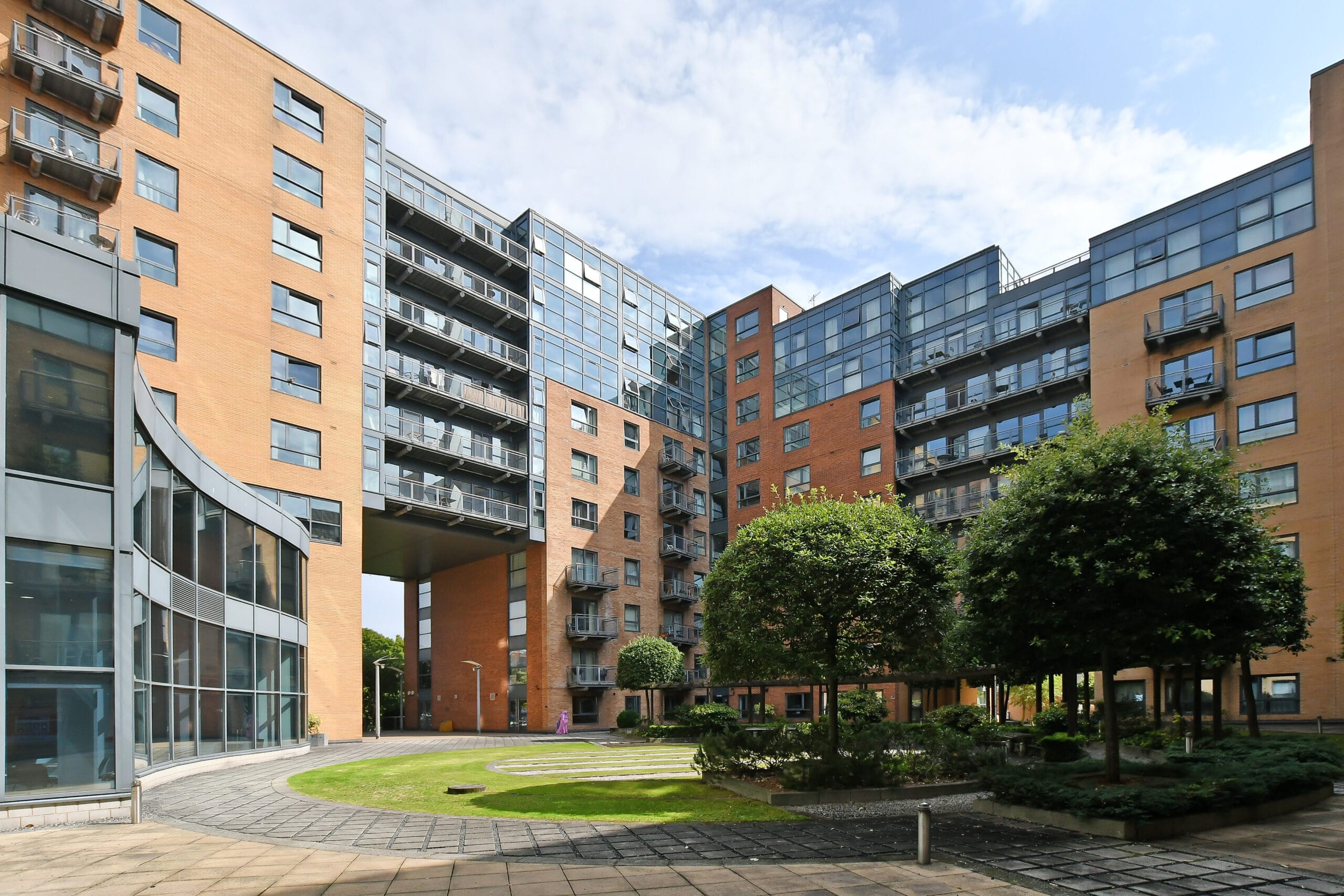
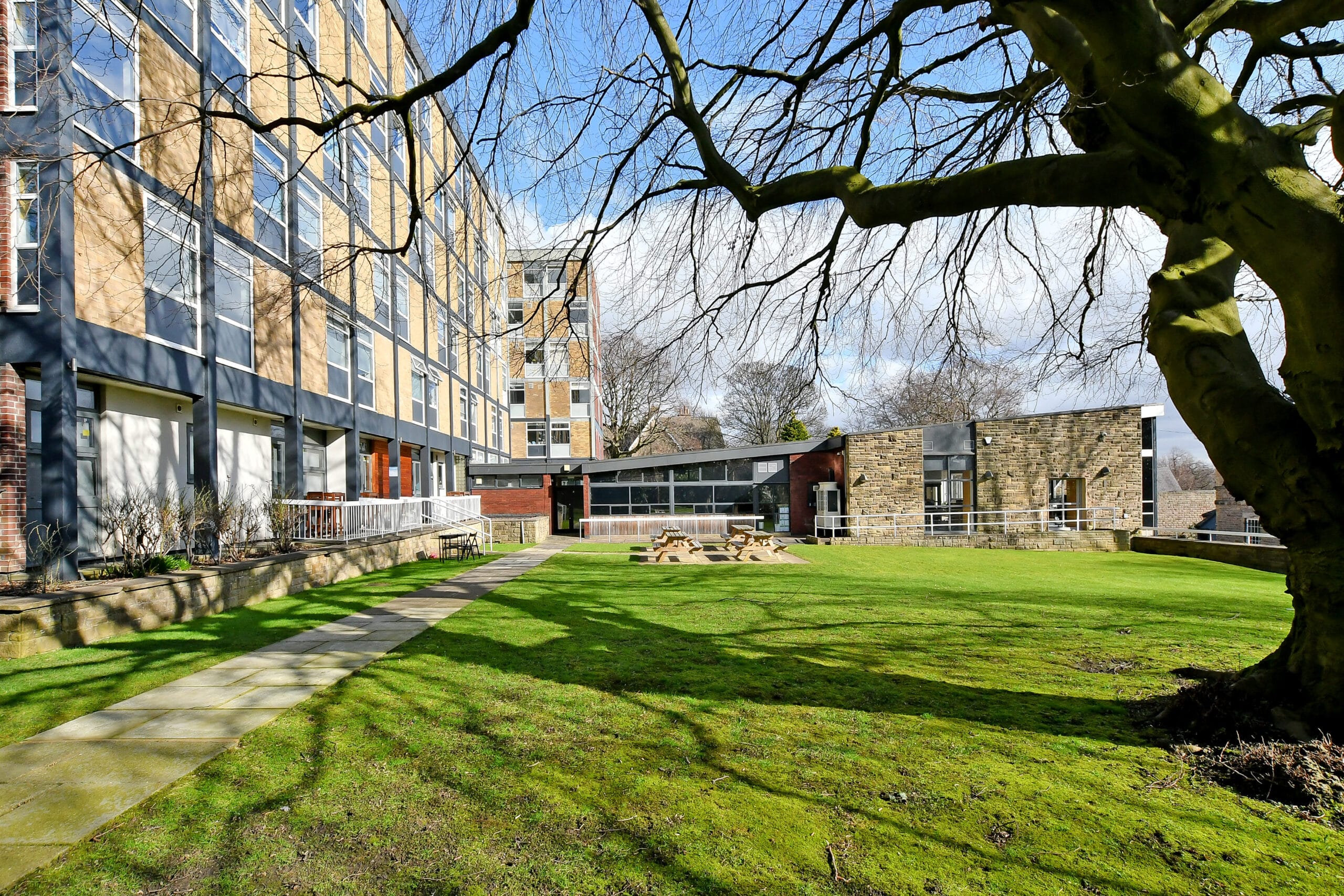
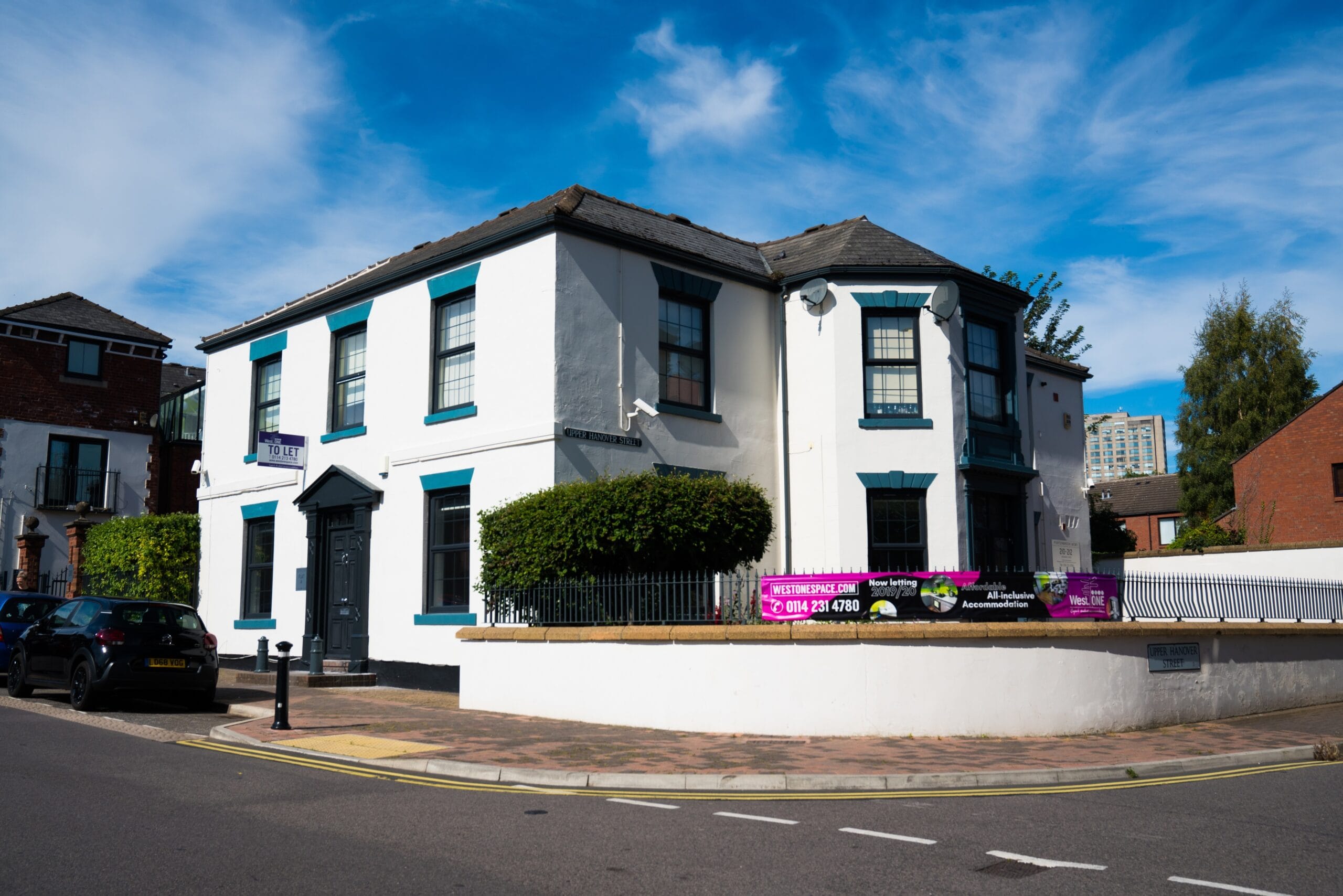
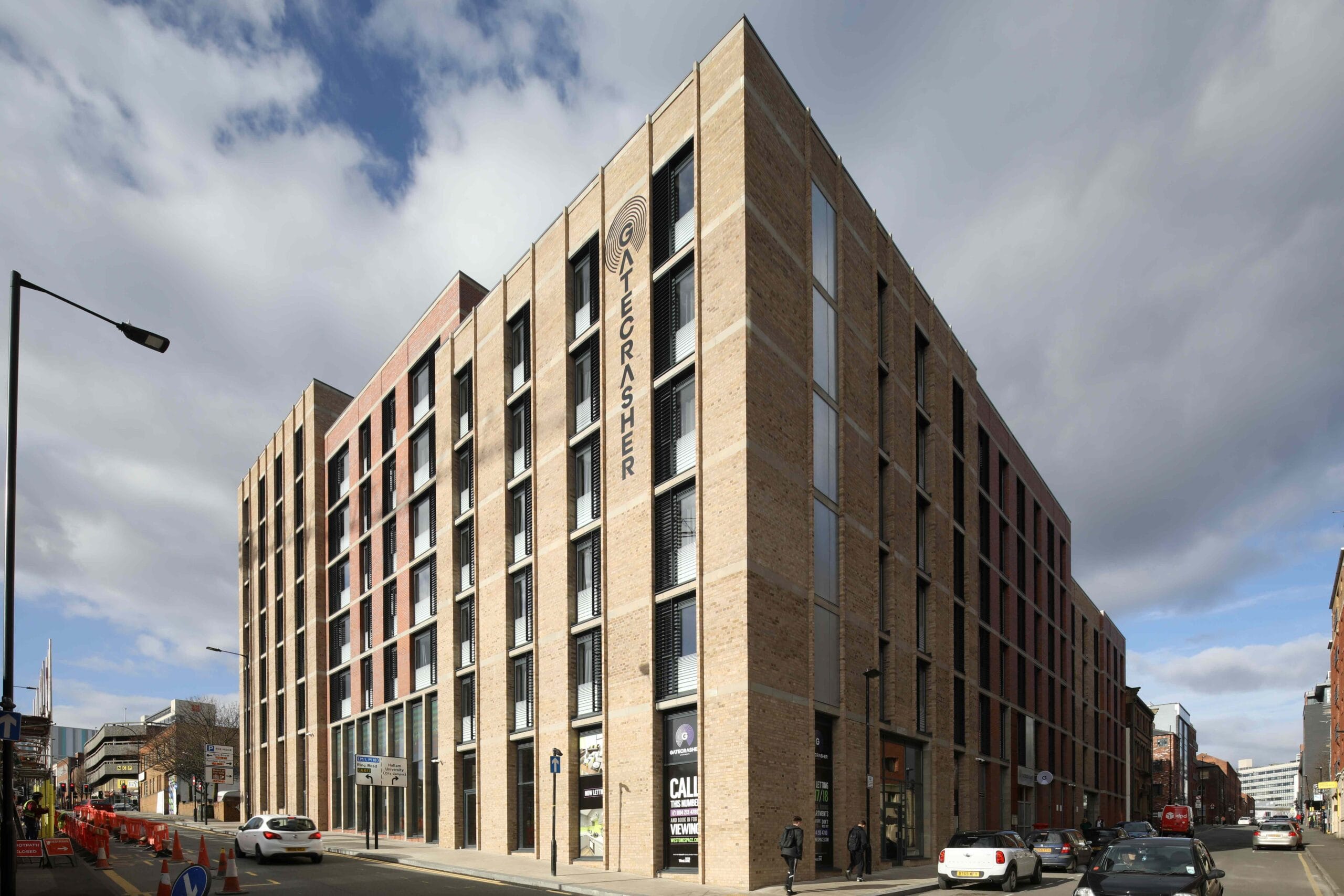
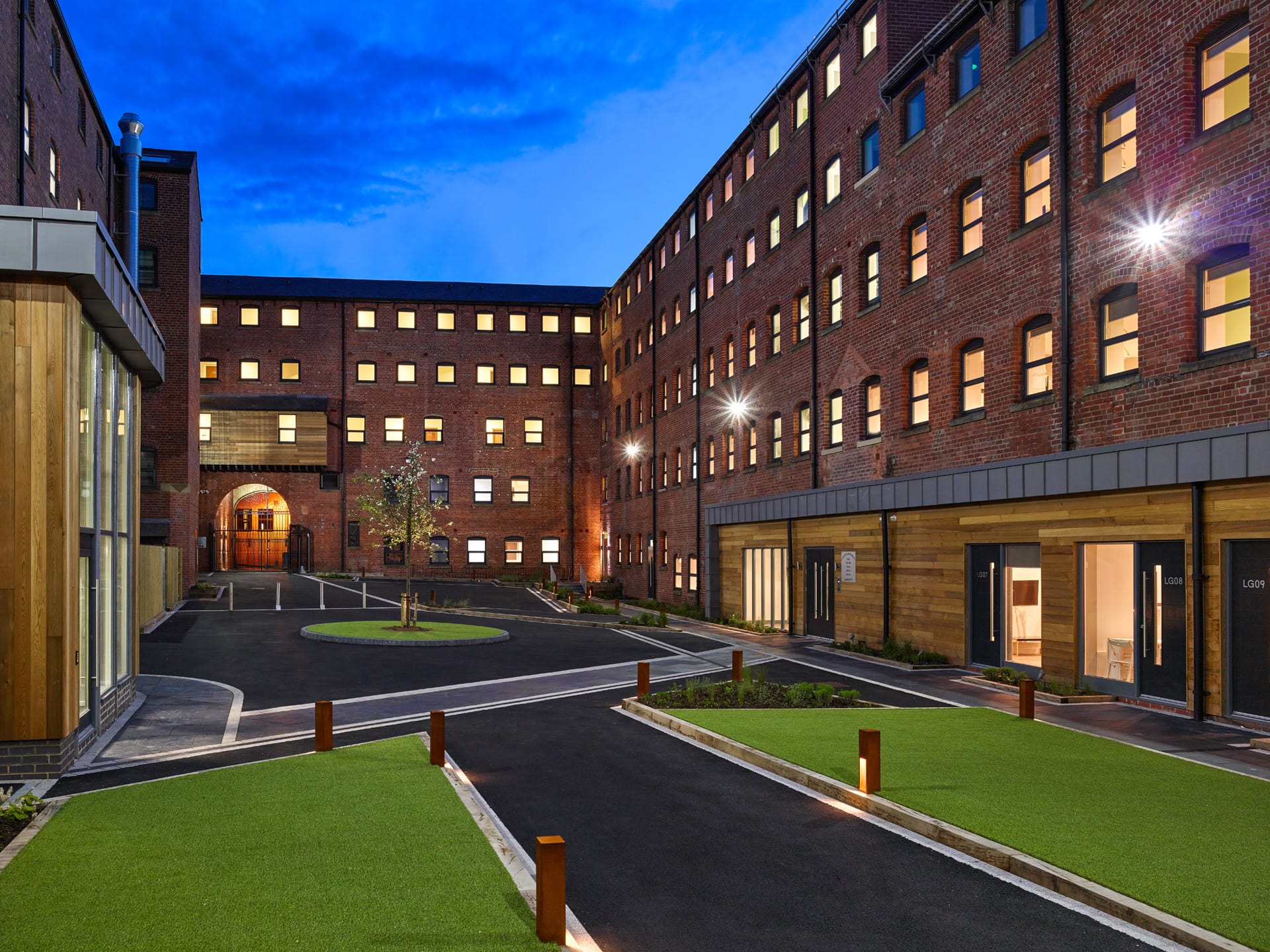
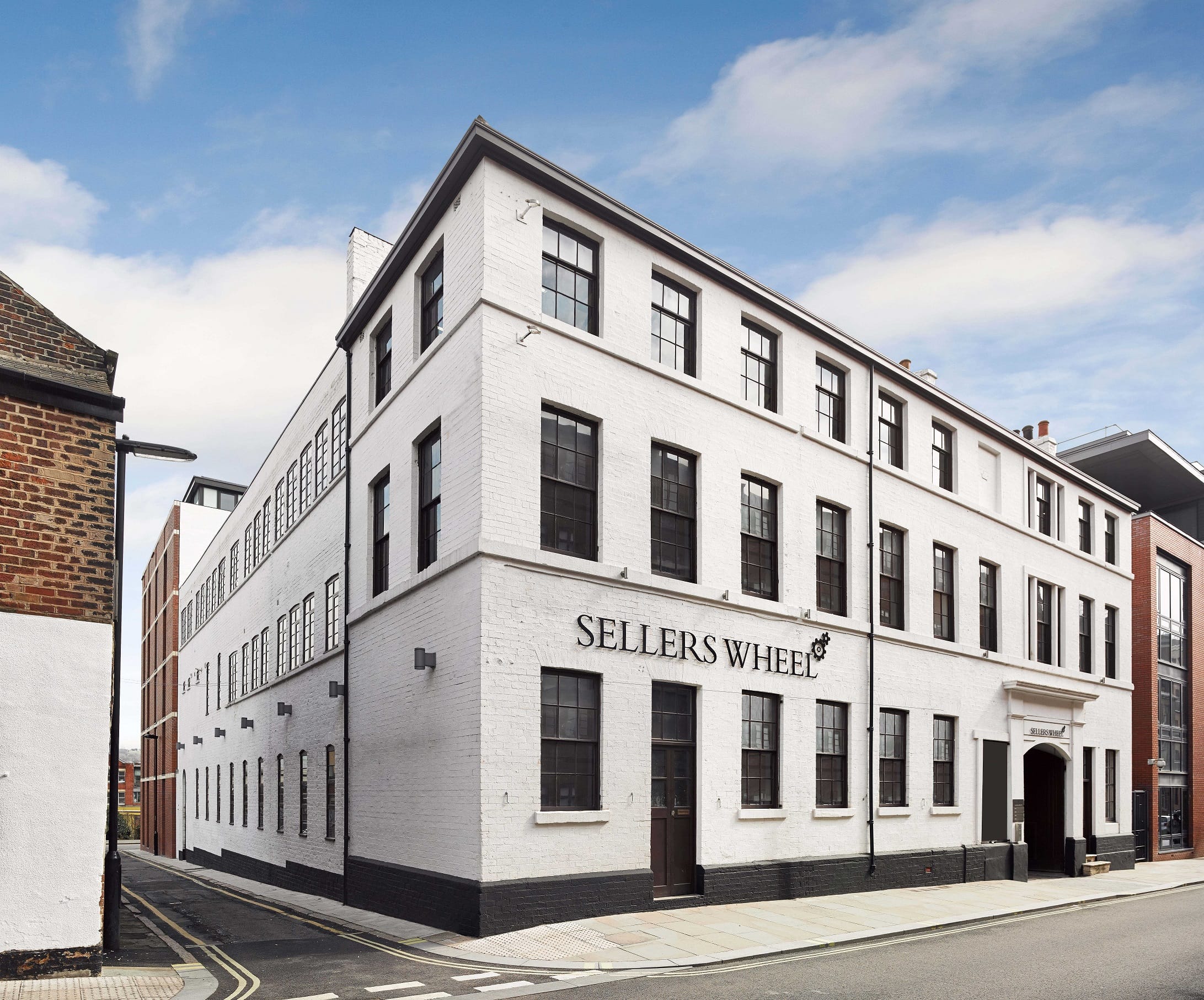
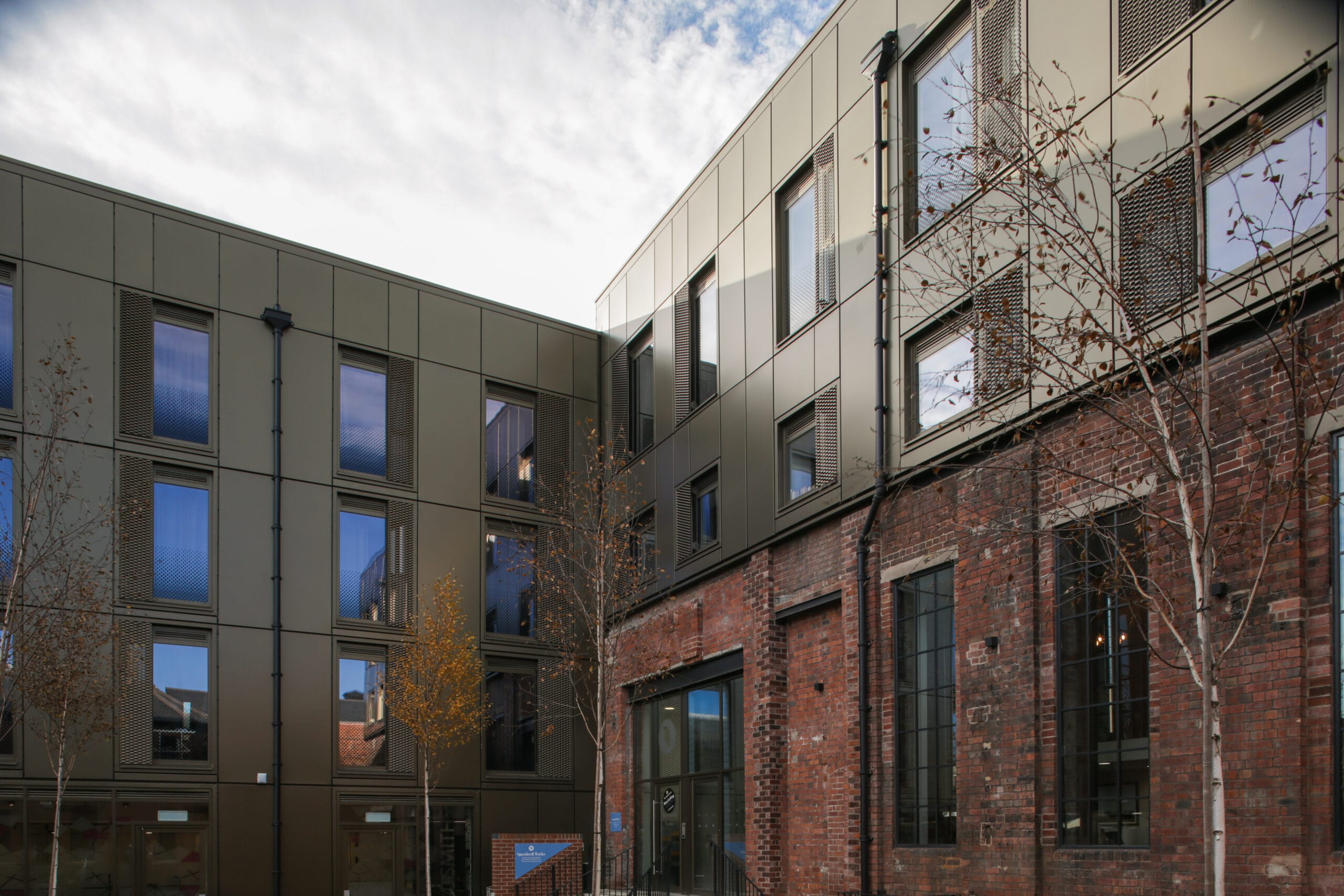
Sheffield is widely regarded as one of the UK's most affordable cities for students, with several well-established student neighbourhoods, with West One Lettings owning and professionally managing an expansive portfolio of student accommodation, nearly 1500 beds across several great locations.
Broomhill is the classic University of Sheffield student area — a Victorian and Edwardian suburb immediately adjacent to the main campus with a strong community of independent cafés, charity shops and pubs. Property here ranges from terraced houses to purpose-built flats, and the area borders Weston Park and the Botanical Gardens. It suits students who want to walk to lectures.
Crookes is a lively hillside neighbourhood a little further west, popular with students from both universities. It has a genuine community feel with local pubs, takeaways and green spaces, including Crookes Valley Park and Bolehill Park, from which you can watch the sunset over the city. The hills can be a workout, but good bus routes serve the area.
Crookesmoor sits between Crookes and the University of Sheffield campus, making it particularly convenient for Sheffield students. It has many of the same characteristics as Crookes — terraced housing, local shops, easy access to the city centre — and several university buildings border the area.
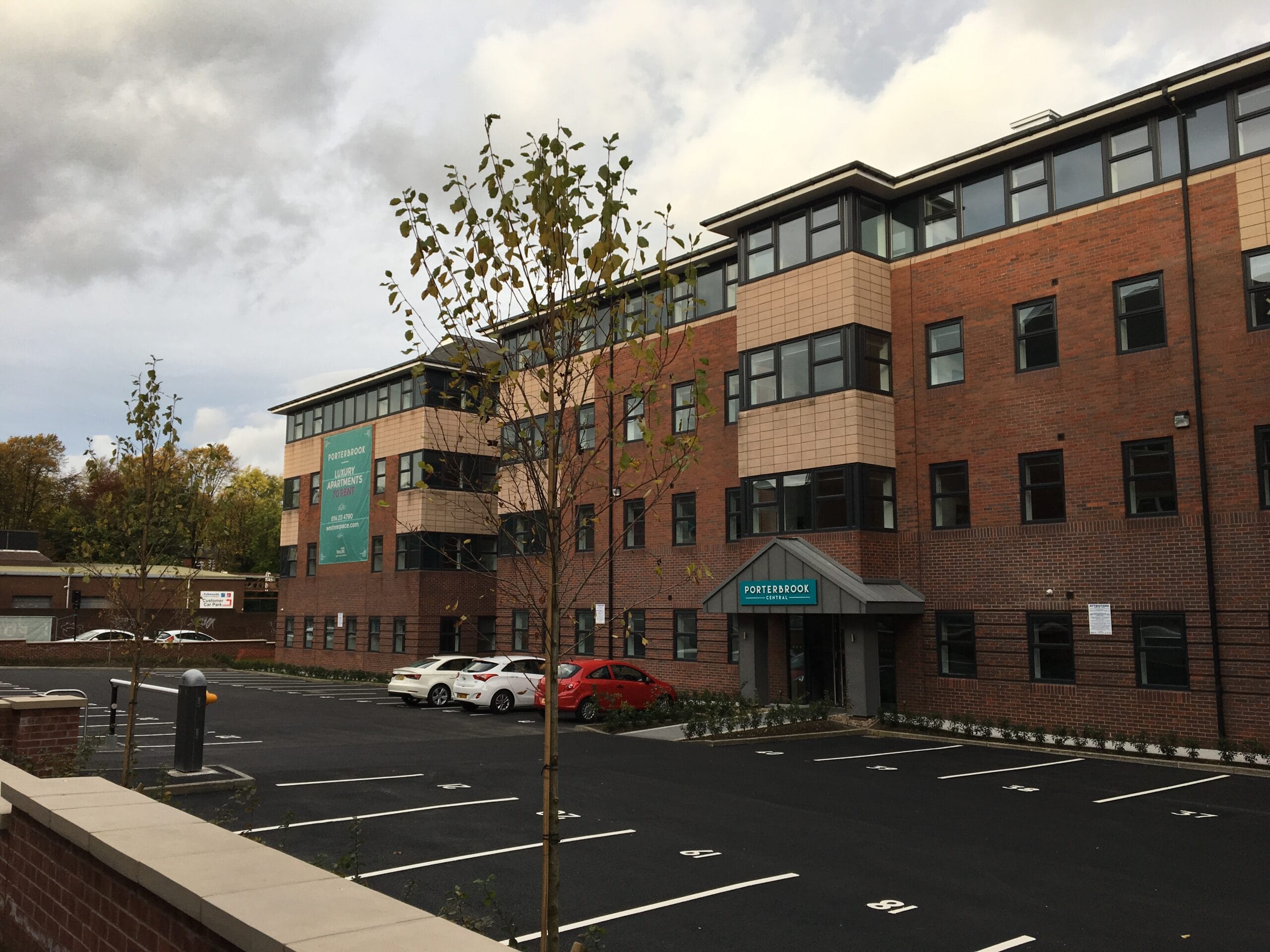
Ecclesall Road is one of Sheffield's most popular student and young professional streets, stretching south-west from the city centre. Porterbrook apartments are just around the corner from the streets that are lined with cafés, restaurants, independent shops and bars and are especially well placed for Sheffield Hallam's Collegiate Campus. Sharrow Vale Road, tucked off Ecclesall Road, is beloved for its independent shops and the Two Steps fish and chip shop, widely considered one of Sheffield's best.
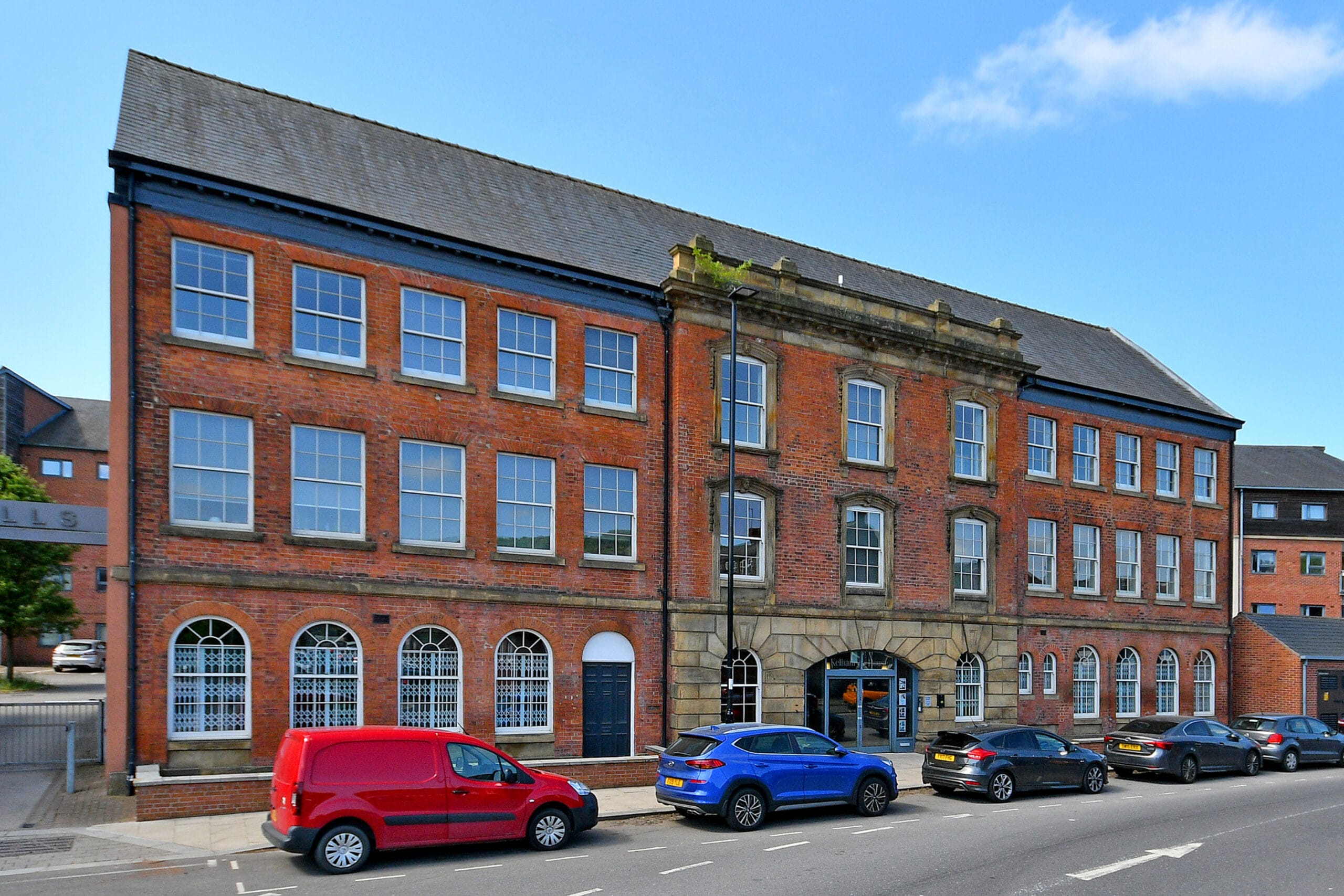
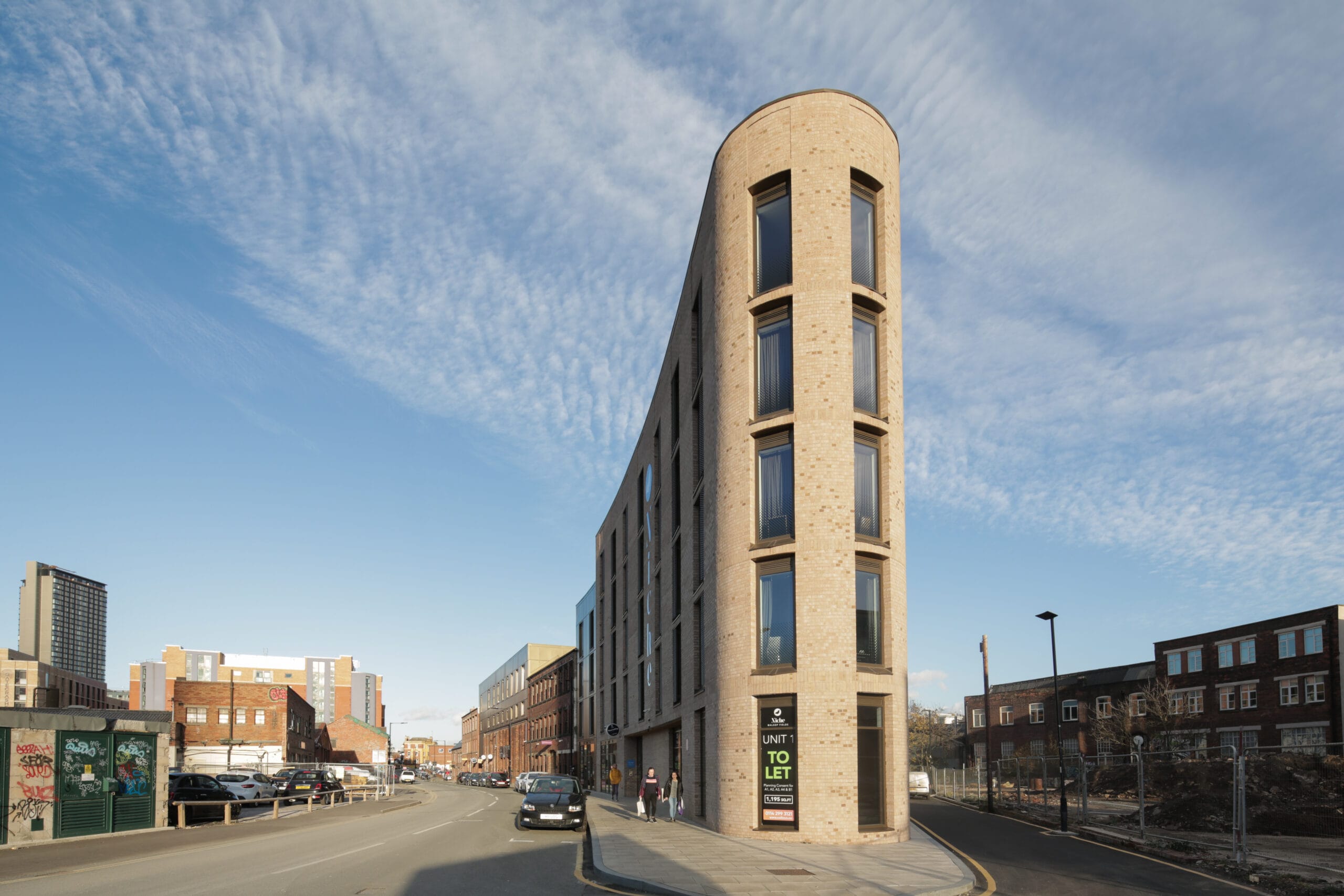
The City Centre suits Sheffield Hallam students in particular, given the City Campus's central location. Modern purpose-built student apartments are available within minutes of campus, and the convenience of having shops, restaurants and transport links on your doorstep is hard to beat. Kelham Island — a trendy post-industrial neighbourhood just north of the city centre, with craft beer bars and independent eateries — has been voted one of the world's coolest neighbourhoods and is a popular destination for students from both universities.
Ranmoor and Endcliffe are further west and form the main first-year accommodation district for the University of Sheffield, with the Endcliffe student village being the largest undergraduate residential community in the city. The area borders the Mayfield Valley and is within easy walking or cycling distance of the Peak District National Park, giving nature-loving students remarkable access to open countryside within minutes of the city.
Summary
Choosing between the two universities ultimately comes down to what you want from higher education. The University of Sheffield offers Russell Group prestige, world-class research, and a broad academic curriculum in a campus-adjacent environment with a celebrated student community. Sheffield Hallam offers a more accessible, practically-oriented education with strong industry links, an inclusive ethos, and the convenience of a city-centre location. Both share the same city, the same transport network and many of the same student haunts — and both benefit from Sheffield's well-earned reputation as one of the UK's most affordable, liveable and genuinely student-friendly places to study.