


Sheffield is one of the UK’s more quietly confident cities. Built across seven hills, it pairs a genuine industrial pedigree — this is, after all, the original “Steel City” — with more woodland and parkland per resident than almost anywhere else in Europe, and a fast tram-train network that pushes right into the Peak District. It has become a popular relocation choice for students, young professionals, and families, largely because it delivers a lot of city for a comparatively modest cost of living.
This guide walks through the practical side of a move: where to live, how to get around, what things cost, and what to expect in your first few months.
1. Understanding the Layout
Sheffield doesn’t have a single obvious “centre plus suburbs” structure — it’s more a patchwork of distinct villages and districts that have grown together. Broadly:
- South-West (Ecclesall Road, Broomhill, Crookes, Nether Edge, Ranmoor, Dore, Fulwood) — leafier, more affluent, closer to the universities and the Peak District.
- City Centre & near-centre (Kelham Island, West Bar, Devonshire Quarter, City Centre proper) — the fastest-changing part of the city, driven by major regeneration.
- North (Hillsborough, Wadsley, Crookesmoor) — more affordable, increasingly popular, good tram links.
- East — more industrial heritage, generally the most budget-friendly, with its own regeneration underway around the Attercliffe/Don Valley corridor.
Neighbourhood snapshots
Ecclesall & Ecclesall Road: tree-lined streets, independent cafés and shops along the road itself, and Endcliffe Park on the doorstep. Average property prices sit around £285,000, with family homes typically ranging between £350,000 and £500,000, and rents run at a premium — but strong schools make it a longstanding favourite for families and professionals alike.
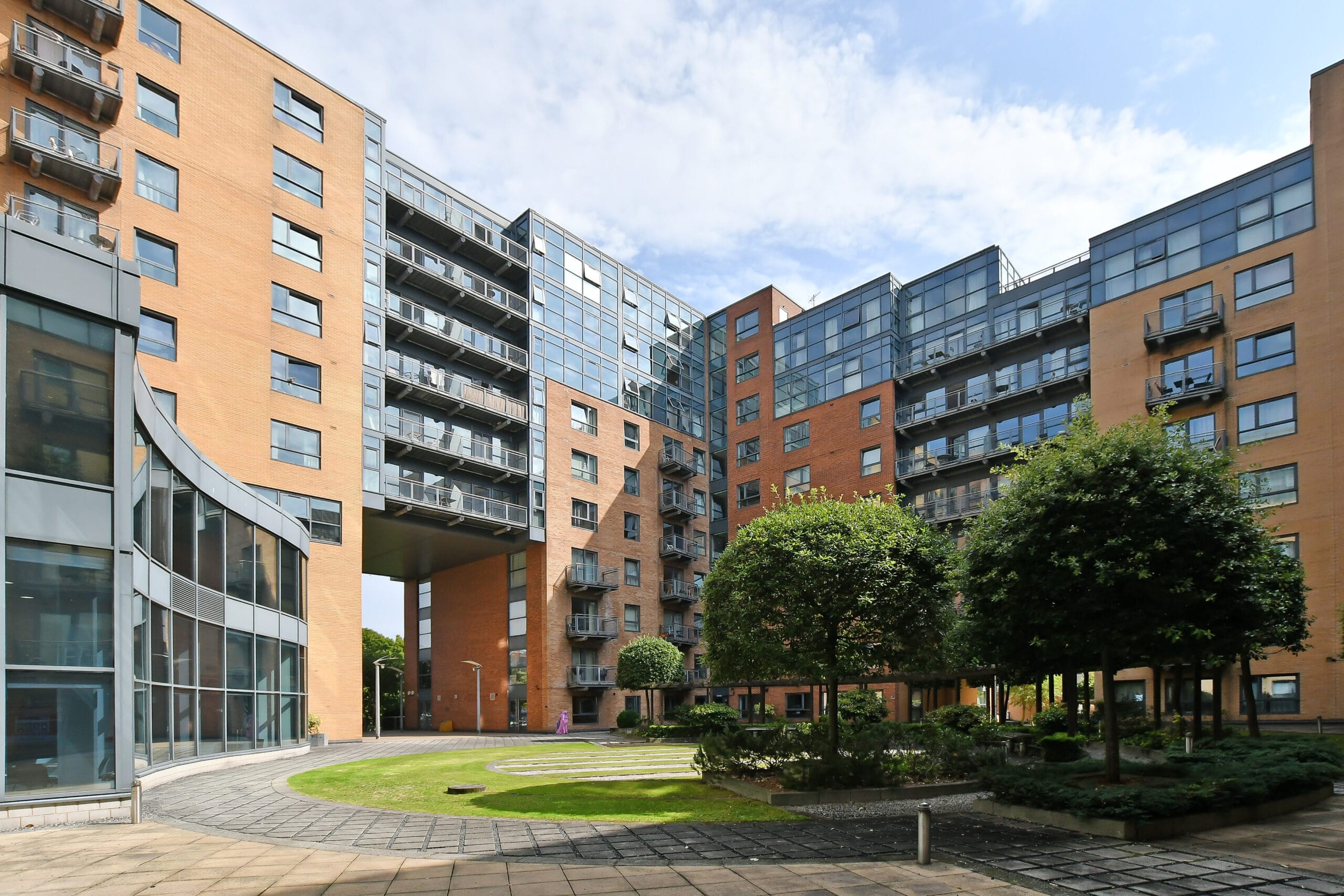
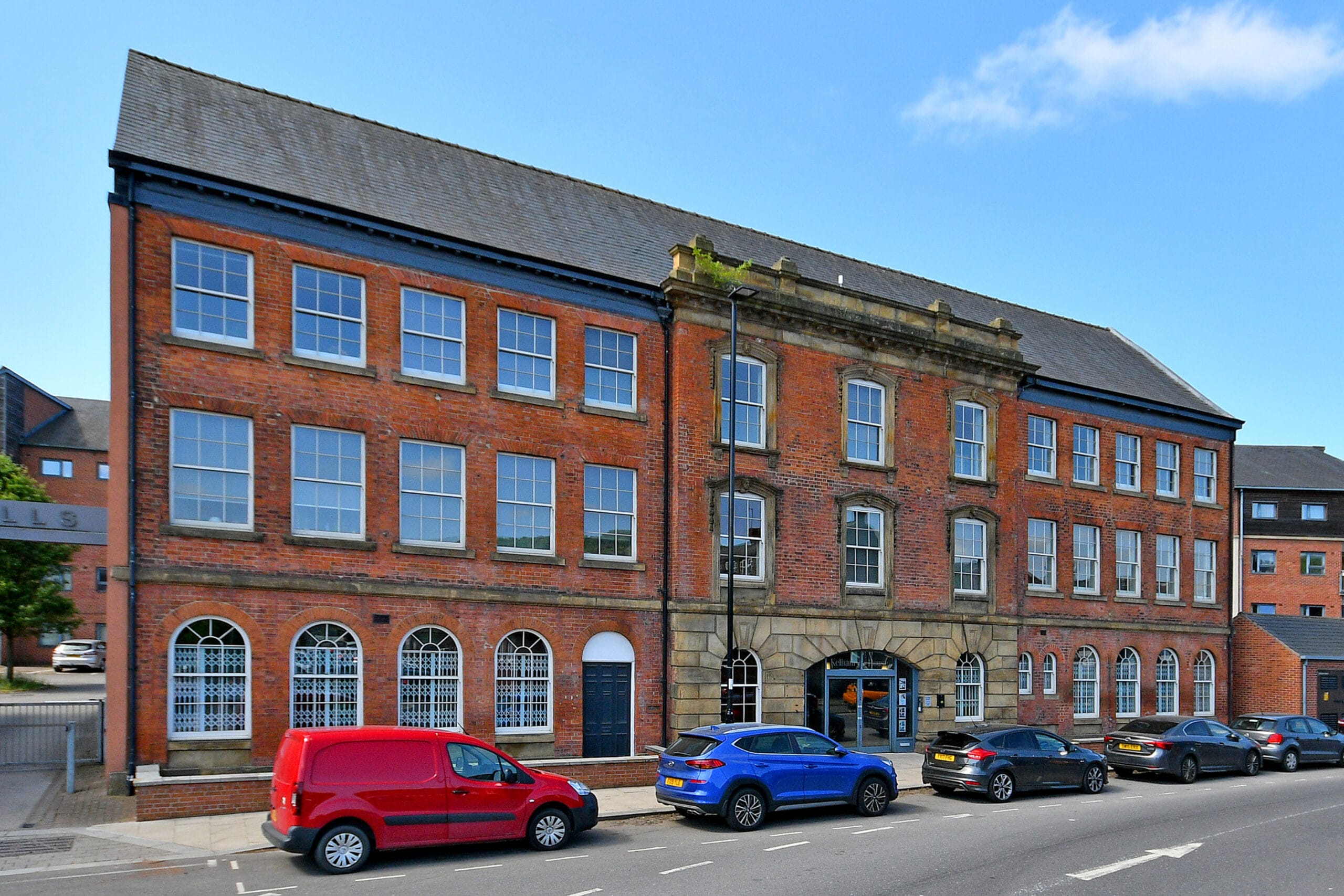
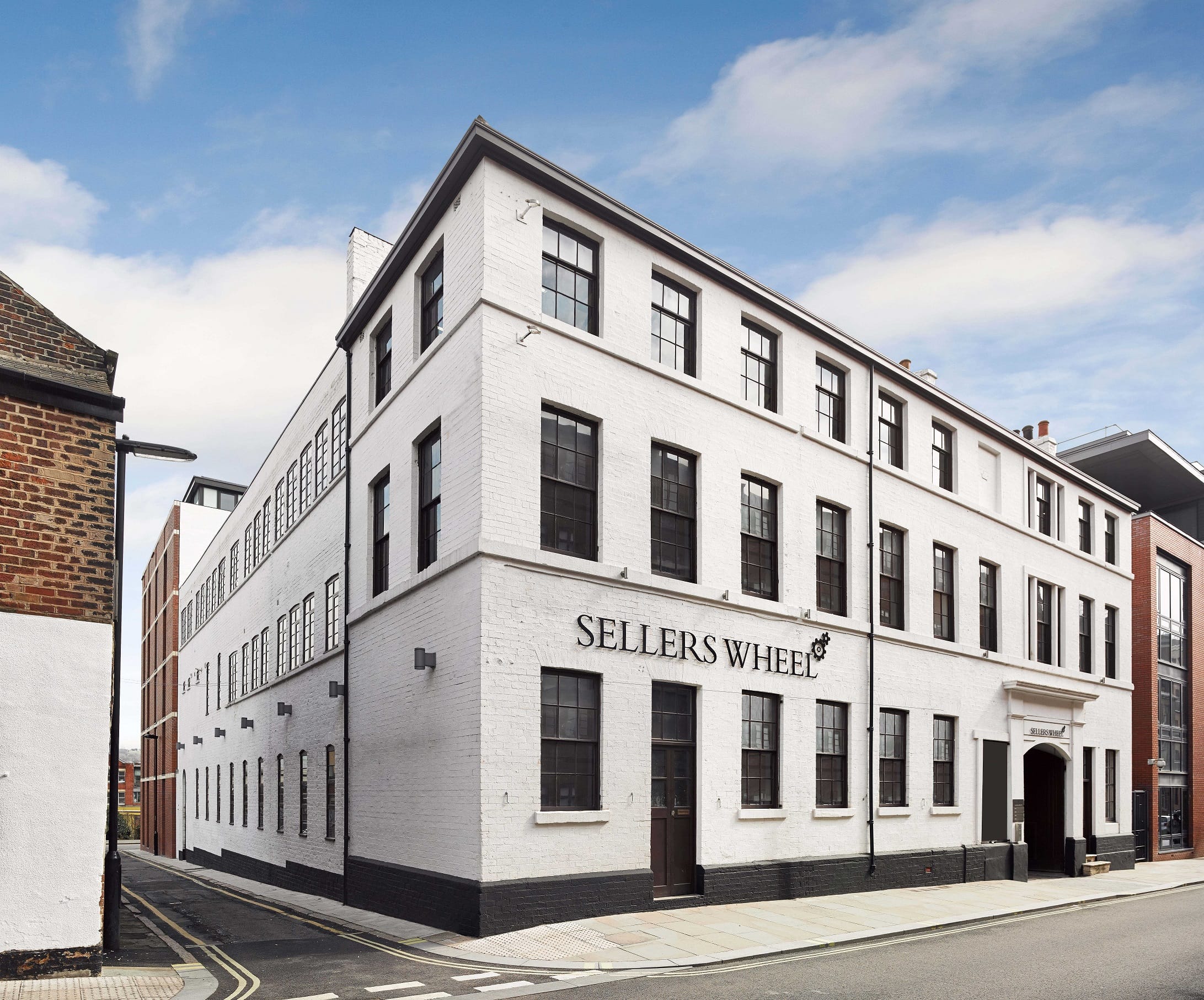
Kelham Island: A former industrial quarter of steel and cutlery works, now reinvented as one of the country’s trendiest urban neighbourhoods, with historic buildings converted into loft apartments alongside new-build developments, an award-winning food and drink scene, and craft breweries. Five minutes’ walk from the centre, and one of the most in-demand postcodes in the city.
Nether Edge: Period charm, community spirit, and an excellent independent food scene, with easy walking access to both Ecclesall Road and Sharrow Vale Road. Popular with young professionals and creatives.
Crookes: West of the centre, attracting students, young professionals and families with trendy cafés, bars and shops, plus substantial green space via Crookes Valley Park and Weston Park.
Broomhill, Fulwood, Ranmoor, Dore: The classic “leafy” corridor running out toward the Peak District — Fulwood offers leafy streets and a quieter residential feel, Dore has a village-like atmosphere with strong community identity and countryside access, and Ranmoor sits close to green space and the universities with character housing.
Hillsborough & Wadsley: The value picks for 2026 — Hillsborough is Sheffield’s best up-and-coming area, offering affordable homes, independent businesses and easy tram access, while Wadsley gives the best value for money with a quieter feel and good access to green space.
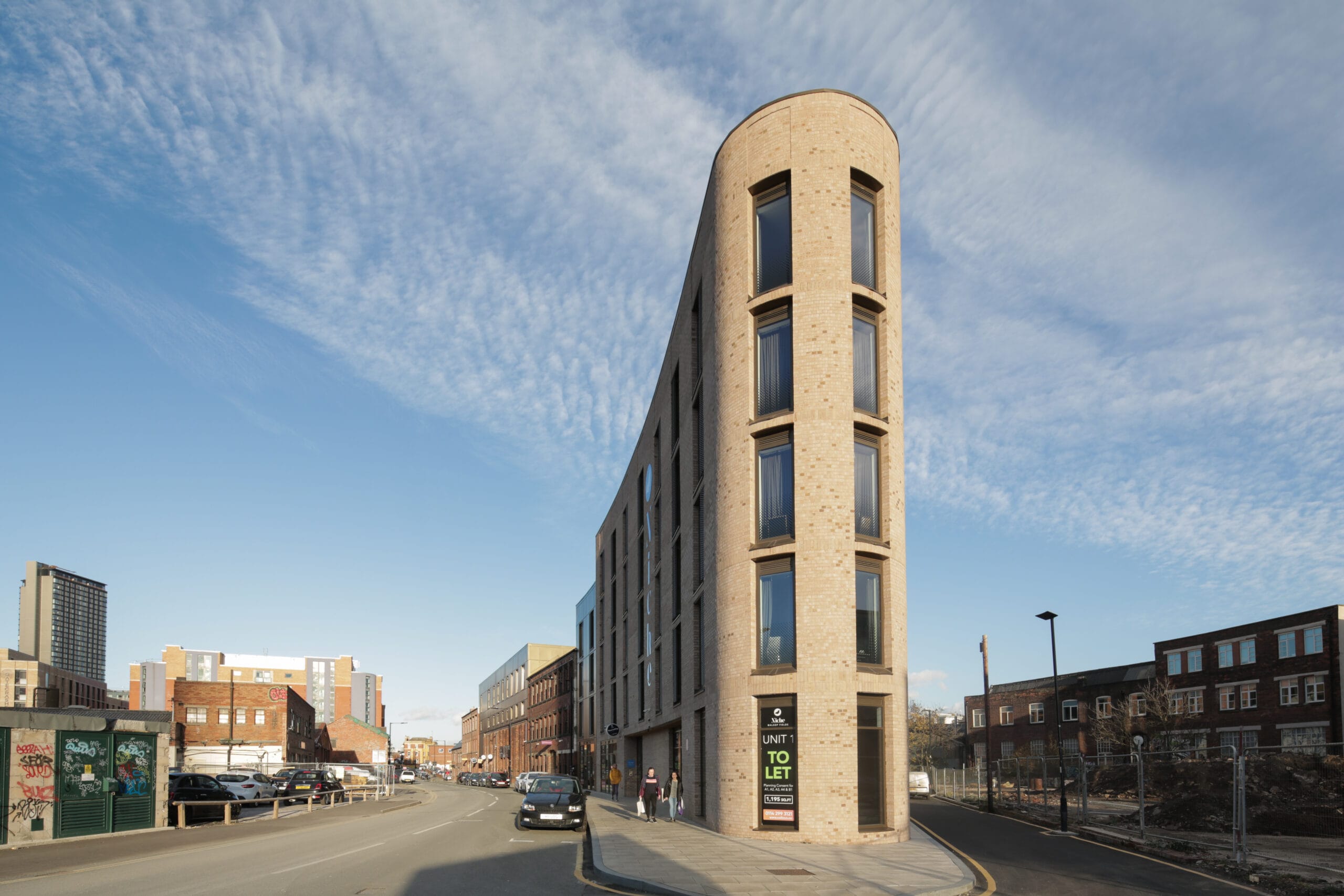
City Centre / West Bar / Heart of the City: Under major transformation right now. The £300m West Bar scheme spans seven acres and will bring around 6,000 workers into the area daily once the No.1 West Bar Square office building is complete, and the separate £470m Heart of the City II project is reshaping the core with new apartments, Grade A office space, retail, and public squares. Good for anyone who wants to be car-free and walk everywhere.
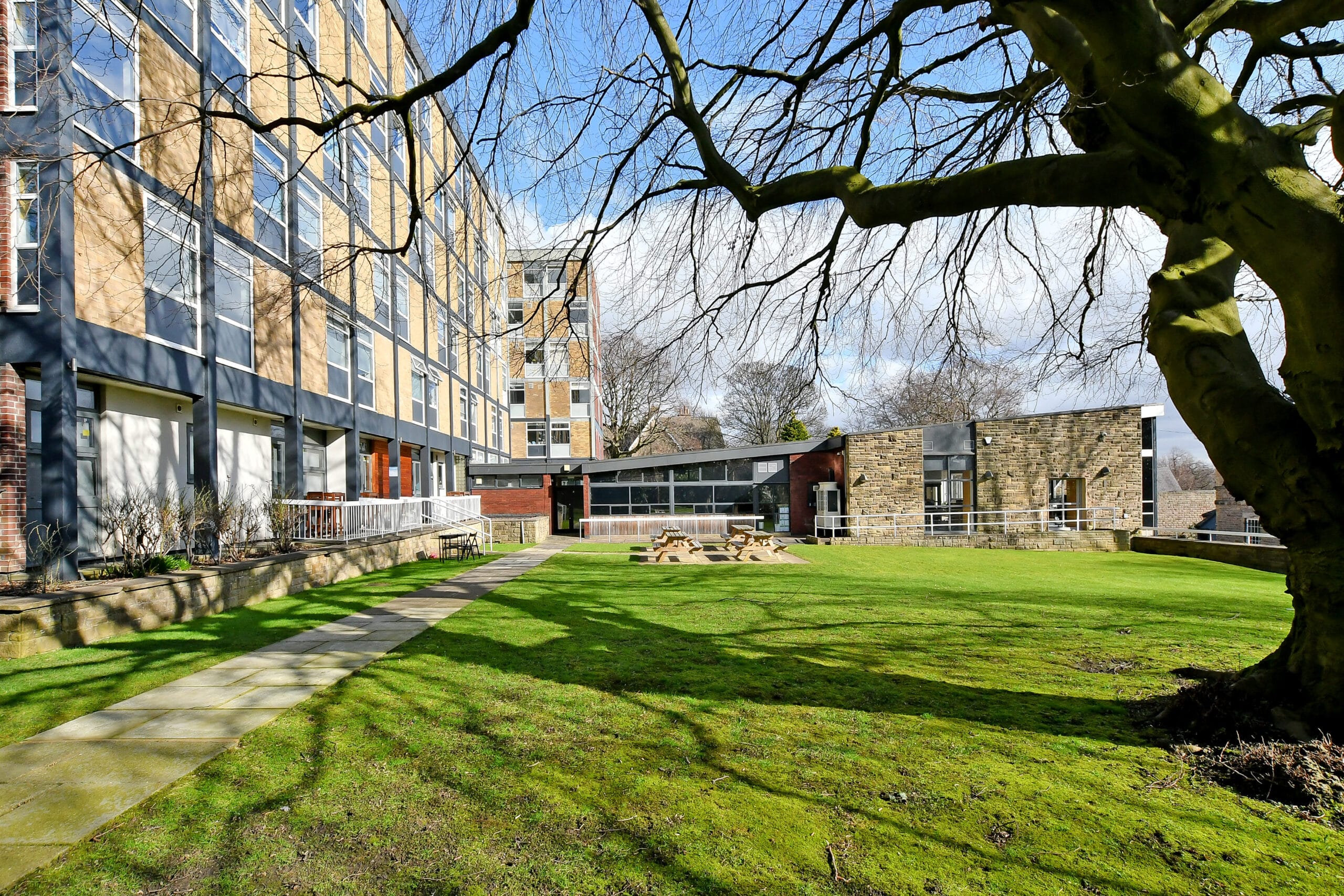
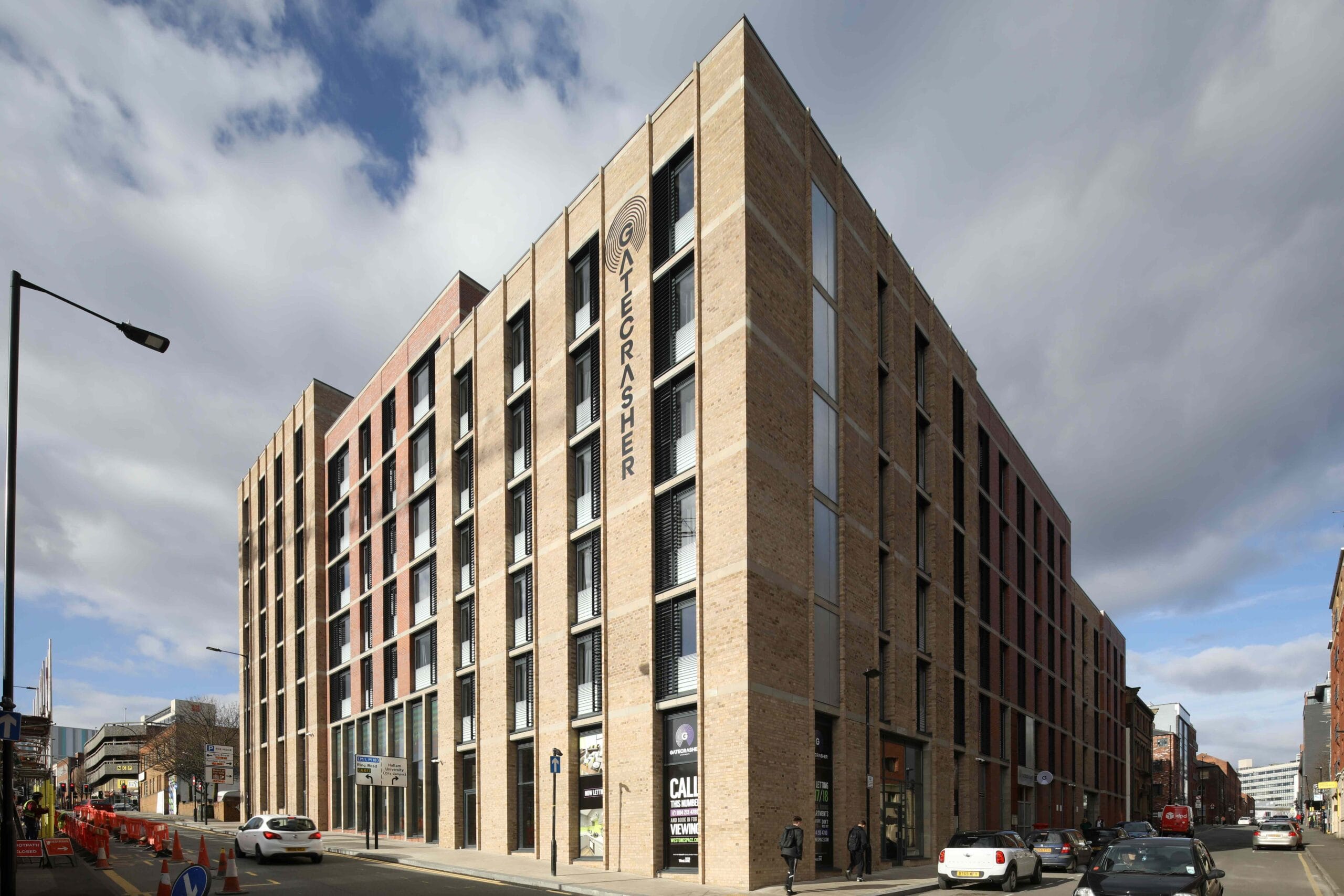
Student areas Crookesmoor, Broomhill, and Walkley are the classic budget-friendly student postcodes, with purpose-built student accommodation concentrated in the city centre and along Ecclesall Road.
2. Getting Around: Transport Links
Sheffield’s transport network is one of its underrated strengths for a city its size.
- Supertram: Three tram lines (Blue, Yellow, Purple) connect the city centre to Meadowhall, Halfway, Middlewood, and the wider suburbs, with the Yellow line running as a tram-train extension out to Rotherham.
- Buses: A dense network run mainly by Stagecoach and First, covering areas the tram doesn’t reach — essential in the hillier suburbs.
- Trains: Sheffield railway station has direct services to London (under 2 hours on the fastest services), Manchester, Leeds, Birmingham, and the East Midlands, plus local lines out toward the Peak District (Hope Valley line — genuinely one of the most scenic commuter routes in England).
- Roads: The M1 runs along the eastern edge of the city, giving quick access north and south; the inner ring road structure makes cross-city driving straightforward once you learn it, though the hills and one-way systems take some getting used to.
- Walking & cycling: Ongoing city centre works are creating new green space and improving walking, cycling and public transport routes, connecting Fargate, Heart of the City and The Moor with wider footways, connected cycleways and more direct bus routes.
- Costs: A one-way local transport ticket costs around £3, with a monthly pass typically priced at around £55.
Practical tip: because the city is built on hills, “close by on the map” doesn’t always mean “quick to walk” — factor gradient into how you choose a neighbourhood relative to work, especially without a car.
3. Cost of Living
Sheffield’s reputation for affordability relative to London, Manchester, and Leeds still holds up in 2026, though rents have been climbing.
| Item | Typical cost (2026) |
|---|---|
| 1-bed flat, city centre | ~£873/month |
| 1-bed flat, outside centre | ~£693/month |
| 3-bed flat, city centre | ~£1,383/month |
| 3-bed flat, outside centre | ~£1,082/month |
| Average private rent, all types (city-wide) | ~£925/month, up 4.4% year-on-year |
| Average house price | ~£221,000 |
| Utilities (85m² flat) | ~£255/month |
| Single person, monthly costs excl. rent | ~£809 |
| Family of four, monthly costs excl. rent | ~£2,684 |
| Average net monthly salary | ~£2,404 |
| Local transport, monthly pass | ~£55 |
Students should budget more specifically: most students in Sheffield spend between £900 and £1,400 per month on all living expenses, and average halls accommodation runs around £140/week for a standard room.
One dynamic worth knowing about if you’re renting: more apartments have come onto the sales market recently as some landlords choose to sell amid uncertainty around the Renters’ Rights Bill — worth factoring in if you’re weighing a longer let versus buying.
4. Finding Somewhere to Live
The rental market in Sheffield moves quickly, particularly around the two universities’ term-start periods (September and January) and in the sought-after inner suburbs. A few practical points for newcomers:
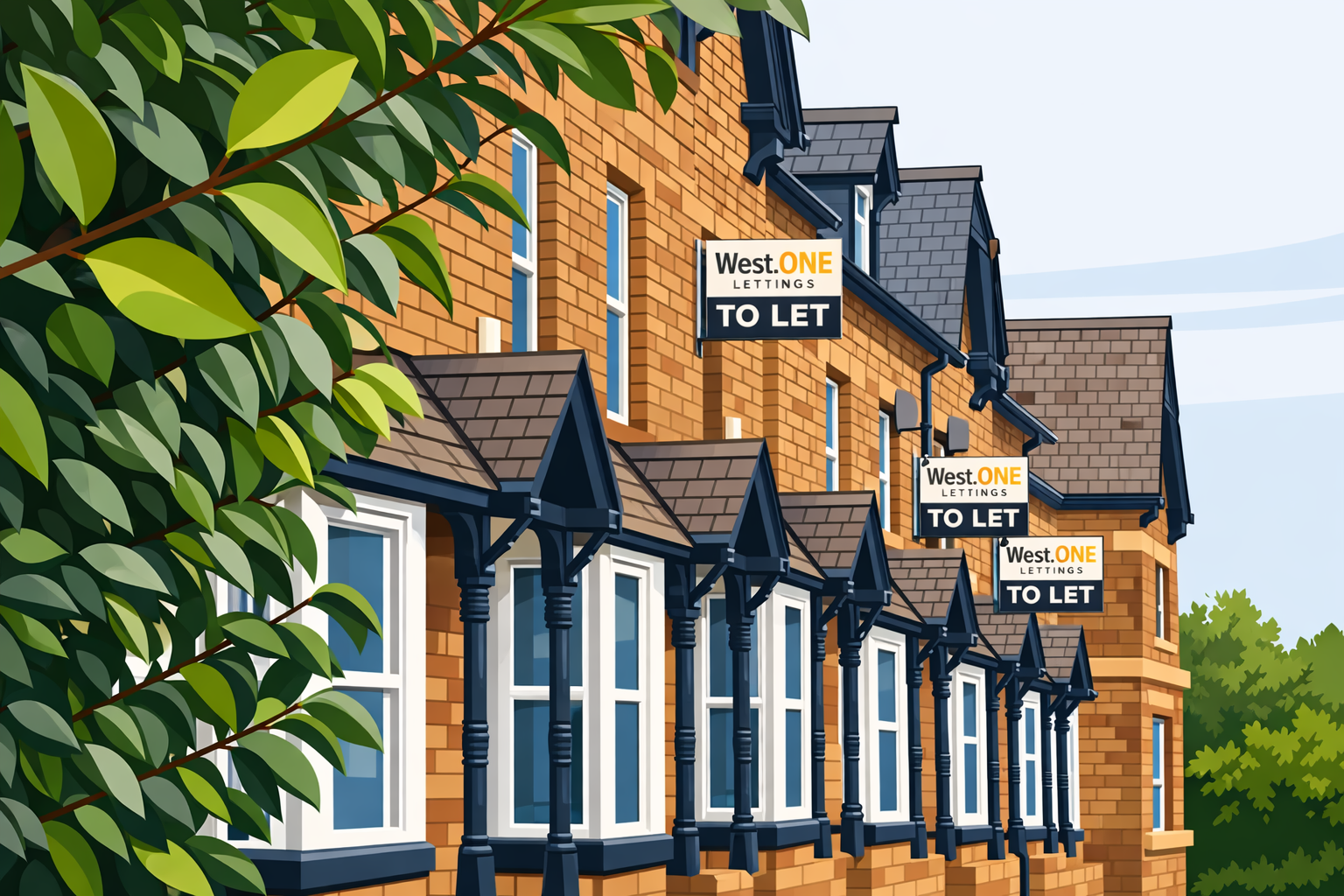
- Letting agents vs. direct landlords: Going through a large agency portfolio is the default for most newcomers, but Sheffield also has a strong tier of established, family-run landlords, like West One Lettings, who manage their own properties directly — often with lower fees, faster turnaround on maintenance, and considerably more local knowledge than a national chain.
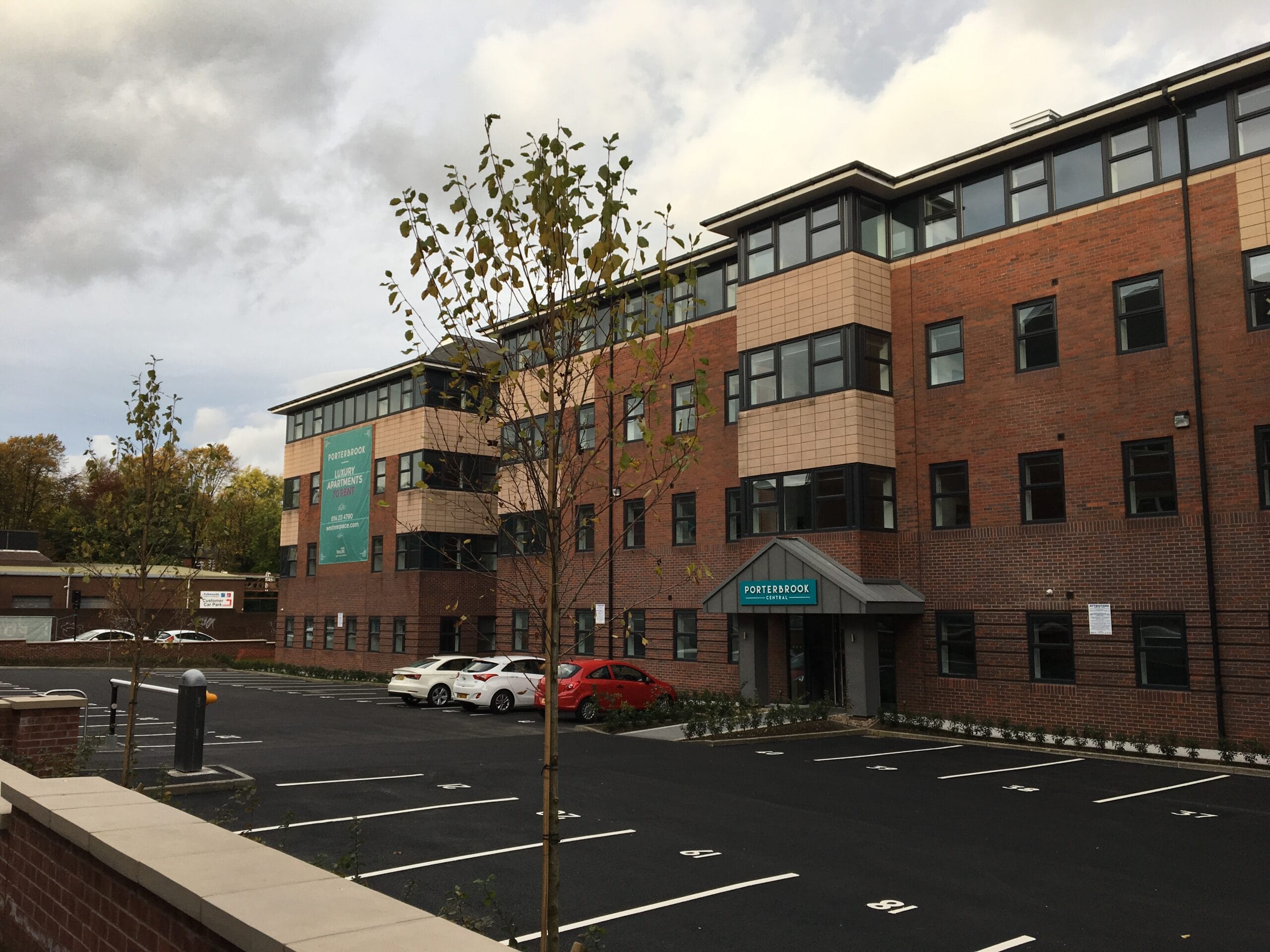
- Student vs. professional vs. commercial stock: Because Sheffield’s housing market spans a huge student population, a growing professional workforce (especially around the city centre regeneration schemes), and business premises tied to firms relocating into the new office space, it’s worth working with whoever can genuinely cover all three — rather than piecing together separate searches.
- Viewing tips: Given the hills, always check a property’s walk to the nearest tram stop or bus route in person, not just on a map — a five-minute walk on the flat can be fifteen minutes uphill.
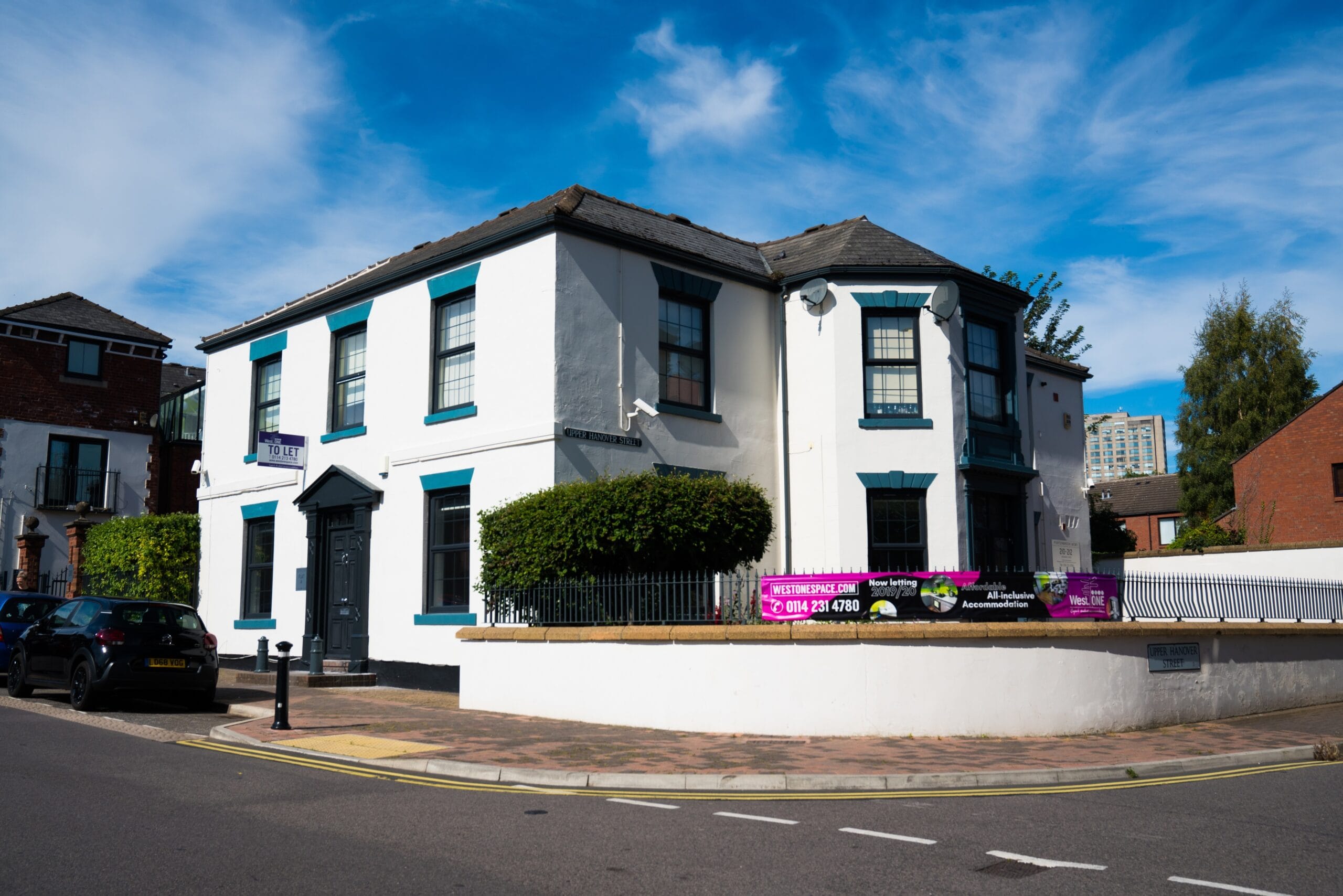
Local spotlight: West One Lettings If you’d rather deal directly with a landlord than navigate a large agency, West One Lettings is worth having on your shortlist. They’re a Sheffield-based, direct landlord with over 50 years of experience in the local market, and a portfolio that spans student housing, professional lets, and commercial premises — useful if your circumstances might shift (say, from a student let into a professional one) and you’d rather not start the search from scratch. Being a direct landlord rather than a letting agent can also mean fewer intermediary fees and more continuity if something needs fixing. Worth a call as a first port of call when you start looking, alongside comparing other agents and landlords to make sure you’re getting the right fit for your budget and area.
5. Work, Study & Daily Life
- Universities: The University of Sheffield and Sheffield Hallam University together bring around 60,000 students annually, which shapes the rental market, nightlife, and the sheer number of independent cafés and bars across the city.
- Employment: Sheffield’s economy has diversified well beyond steel — advanced manufacturing (aided by the Advanced Manufacturing Research Centre), healthcare, digital, and a growing professional/office sector are all significant, with the city centre regeneration schemes expected to draw thousands of new office-based roles into the core over the next few years.
- Green space & the outdoors: Sheffield genuinely lives up to its “greenest city in England” reputation — the Peak District is close enough for spontaneous weekend trips, and many neighbourhoods have parks, woods, and walking trails built into everyday life.
- Food & culture: Kelham Island and the Devonshire Quarter carry most of the “trendy” reputation, but every neighbourhood has its own independent scene — don’t assume you need to live centrally to eat and drink well.
6. First-Few-Months Checklist
- Register with a GP as soon as you have an address — Sheffield practices can have waiting lists, so don’t leave it.
- Get an NHS dental check sorted early too, as dentists accepting new NHS patients can be harder to find than GPs.
- Set up council tax with Sheffield City Council — bands and reductions (single-occupancy, student exemption) vary, so check what applies to you.
- Sort a tram/bus pass if you’ll be commuting regularly — monthly passes pay for themselves quickly.
- Explore before committing long-term — Sheffield’s neighbourhoods vary enormously over short distances, and a short-let or house-share in your first few months can help you find the right long-term area before signing a longer tenancy.
- Join local groups — from walking and running clubs to the university societies (open to some non-students) — Sheffielders are generally regarded as friendly and community-minded, and it’s one of the easier UK cities to feel settled in quickly.
Sheffield rewards people who take a little time to explore before settling. The neighbourhood that suits you will depend heavily on your priorities — green space and quiet versus city-centre energy, student-budget housing versus family homes, tram access versus driving — so it’s worth viewing a spread of areas, comparing a few agents and direct landlords, and not rushing the decision in a market that, while more affordable than London or Manchester, is tightening.