Sheffield's story stretches back over 900 years, from a modest Norman market town to the world-famous "Steel City" — and today, one of the UK's most exciting cities for commercial property investment and business relocation. Whether you're considering leasing office, retail, or industrial space in Sheffield, understanding the city's heritage helps explain why it's such a compelling place to do business. Here, West One Lettings answers some of the most common questions about Sheffield's past — and how it connects to the city's present-day property market.
How did Sheffield begin?
Sheffield's origins trace back to the early 12th century, when Norman lord William de Lovetot built a wooden motte-and-bailey castle at the meeting point of the rivers Don and Sheaf. A small settlement grew up around the castle and the nearby parish church (now Sheffield Cathedral), with the castle's garrison creating early demand for local trade — a pattern typical of many English medieval towns (University of Sheffield, Department of History).
By 1296, the town had secured a royal charter for a weekly market and an annual fair, cementing its role as a trading hub for the surrounding area — arguably the earliest sign of Sheffield's long relationship with commerce.
What happened to Sheffield Castle?
Sheffield Castle played a key role during the English Civil War, when Royalist forces held it before being captured by Parliamentarians in 1644. To prevent it ever being used again, the castle was deliberately demolished in 1648. Its remains lay buried beneath later development — including the 20th-century Castle Market — until being rediscovered through archaeological digs, with ongoing excavation work continuing to reshape our understanding of the city's medieval footprint (Friends of Sheffield Castle).
Today, the former castle site is undergoing regeneration as part of the wider Castlegate redevelopment — a modern echo of Sheffield's habit of reinventing its historic quarters for new commercial and civic use.
Why is Sheffield known as the "Steel City"?
Sheffield's reputation for cutlery dates back to at least the late 13th century, with steady growth in metalworking through the medieval and early modern periods. The real turning point came in 1742, when local manufacturer Benjamin Huntsman developed the crucible steel process, producing higher-quality steel in greater volumes than ever before. Within a century, Sheffield was producing roughly half of Europe's total steel output.
The city's industrial significance grew further with Henry Bessemer's converter furnace in 1856 and, in 1912, Sheffield chemist Harry Brearley's invention of stainless steel — a material still central to manufacturing worldwide today.
How did the steel industry shape Sheffield's built environment?
As steel demand grew, Sheffield's workforce swelled dramatically — from around 14,500 residents in 1736 to well over 130,000 by the mid-19th century. This rapid industrial growth reshaped the city physically, with factories, forges, and workers' housing spreading out from the historic centre, particularly along the river valleys that had originally powered the city's water mills.
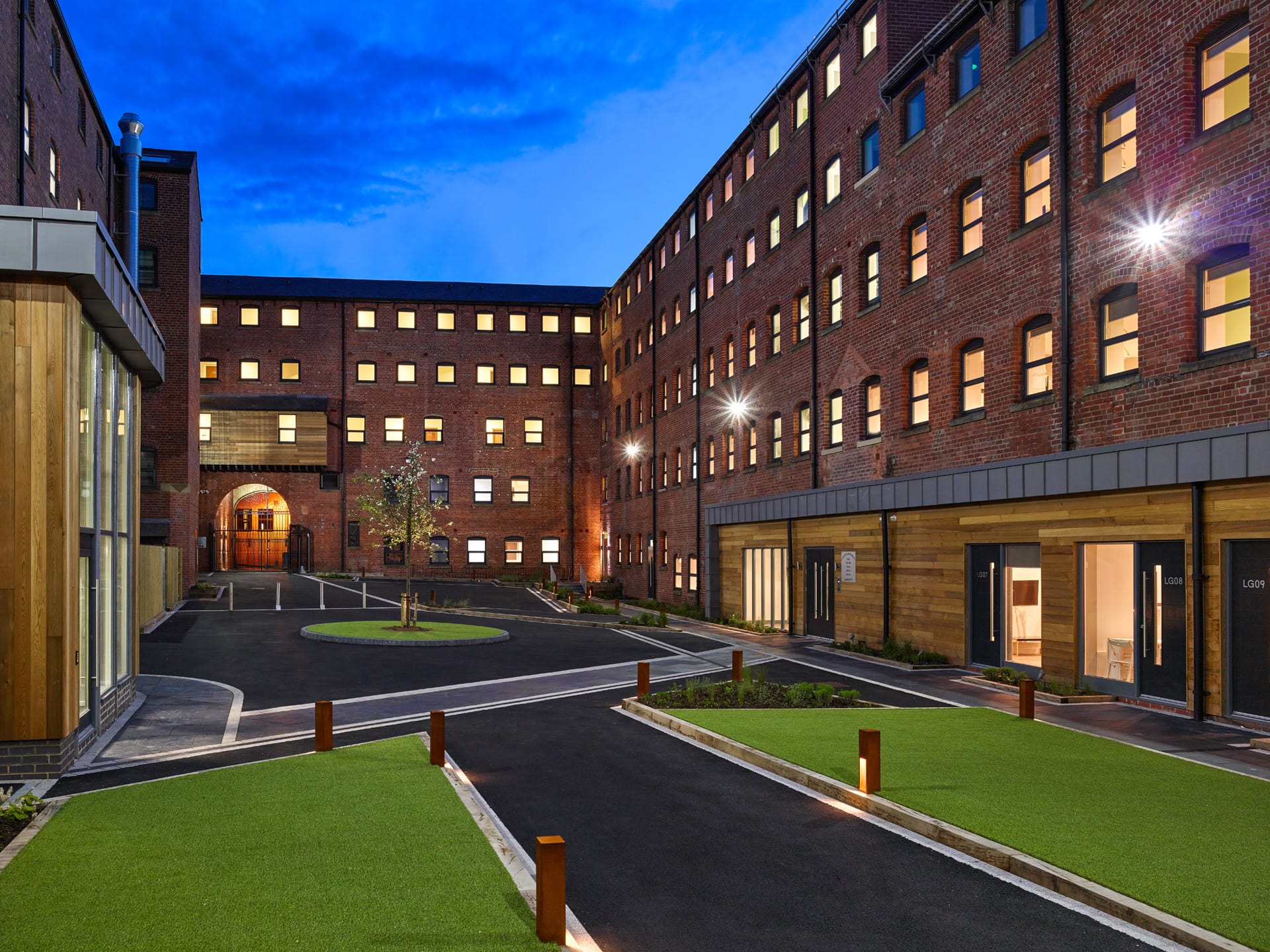
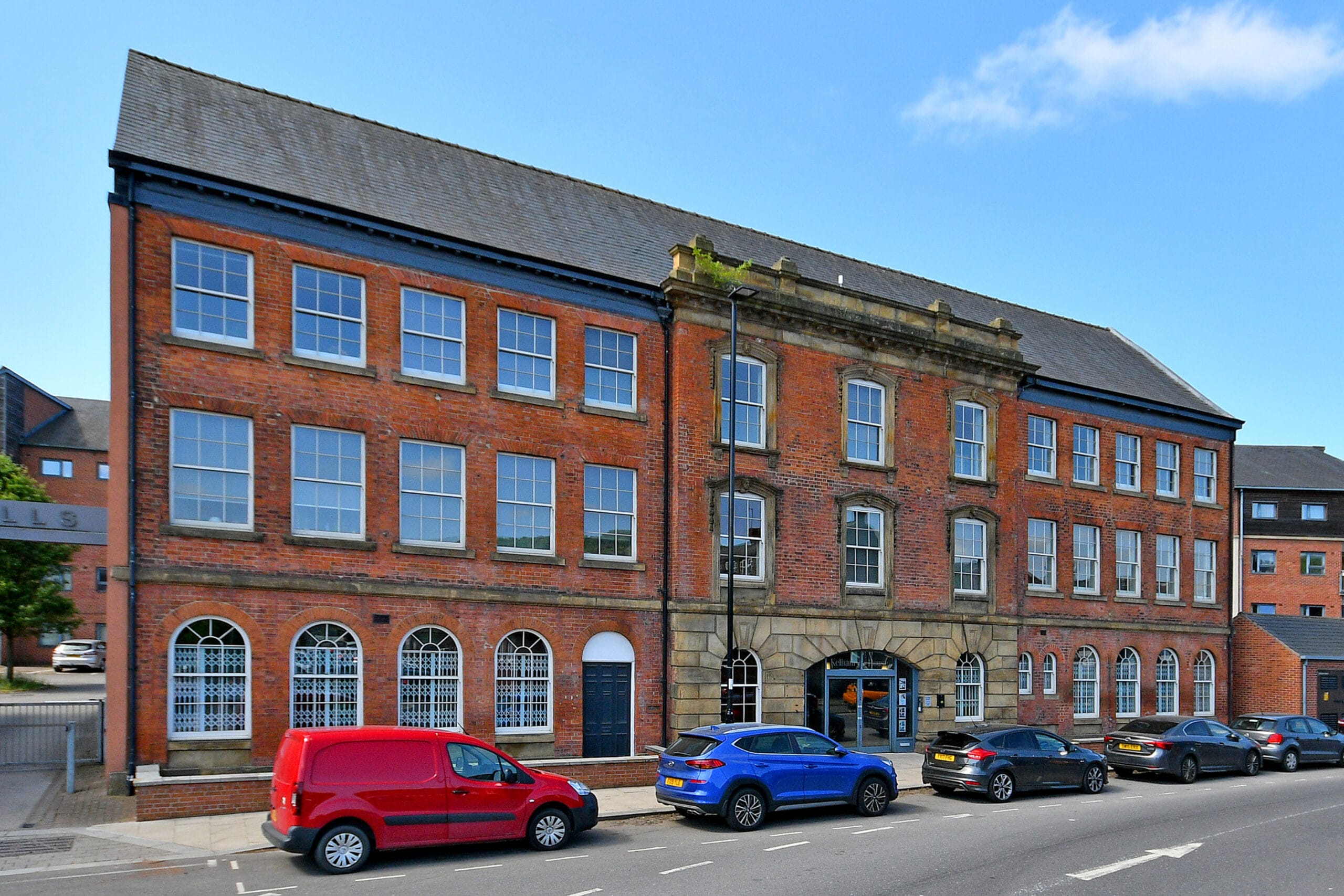
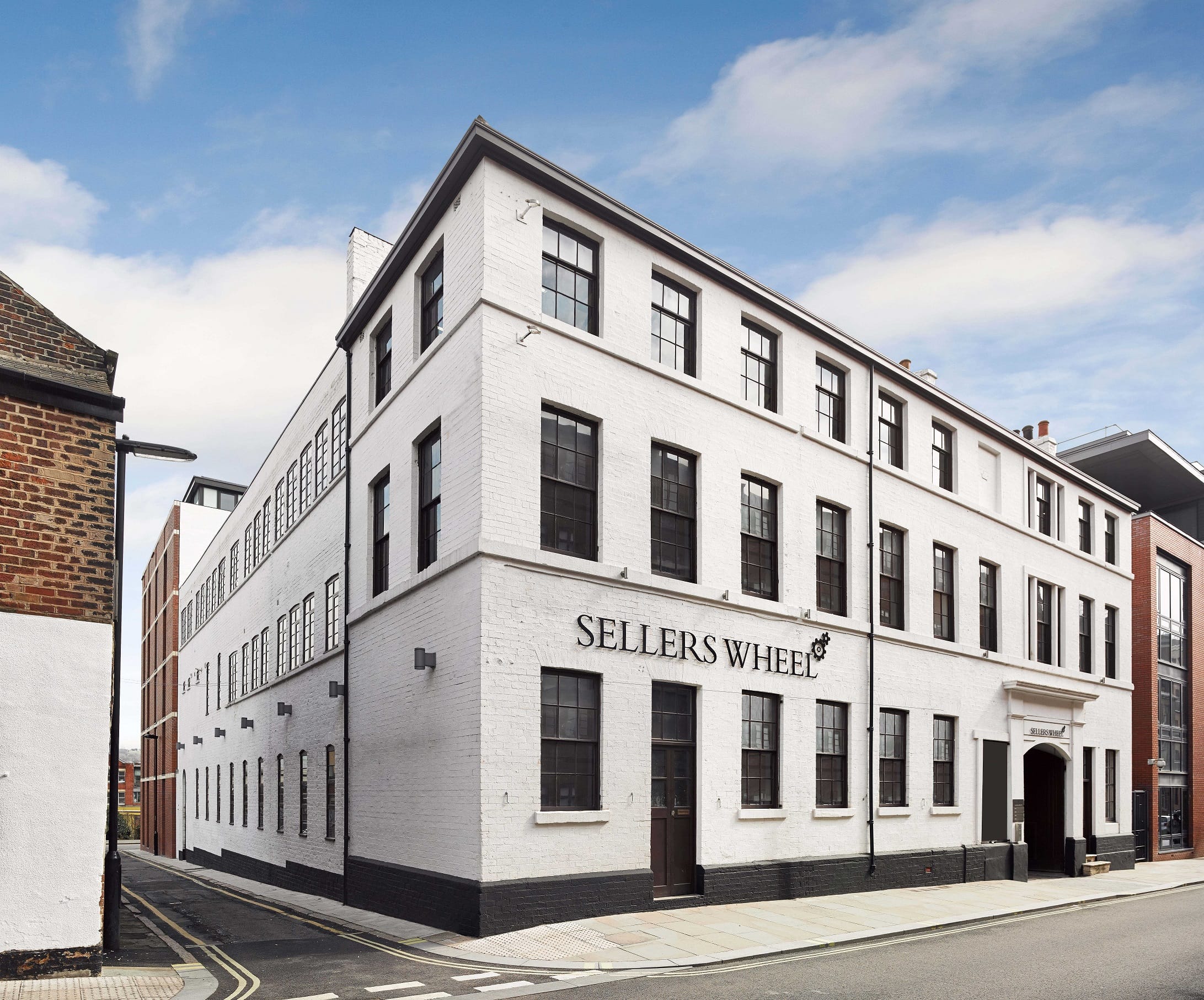
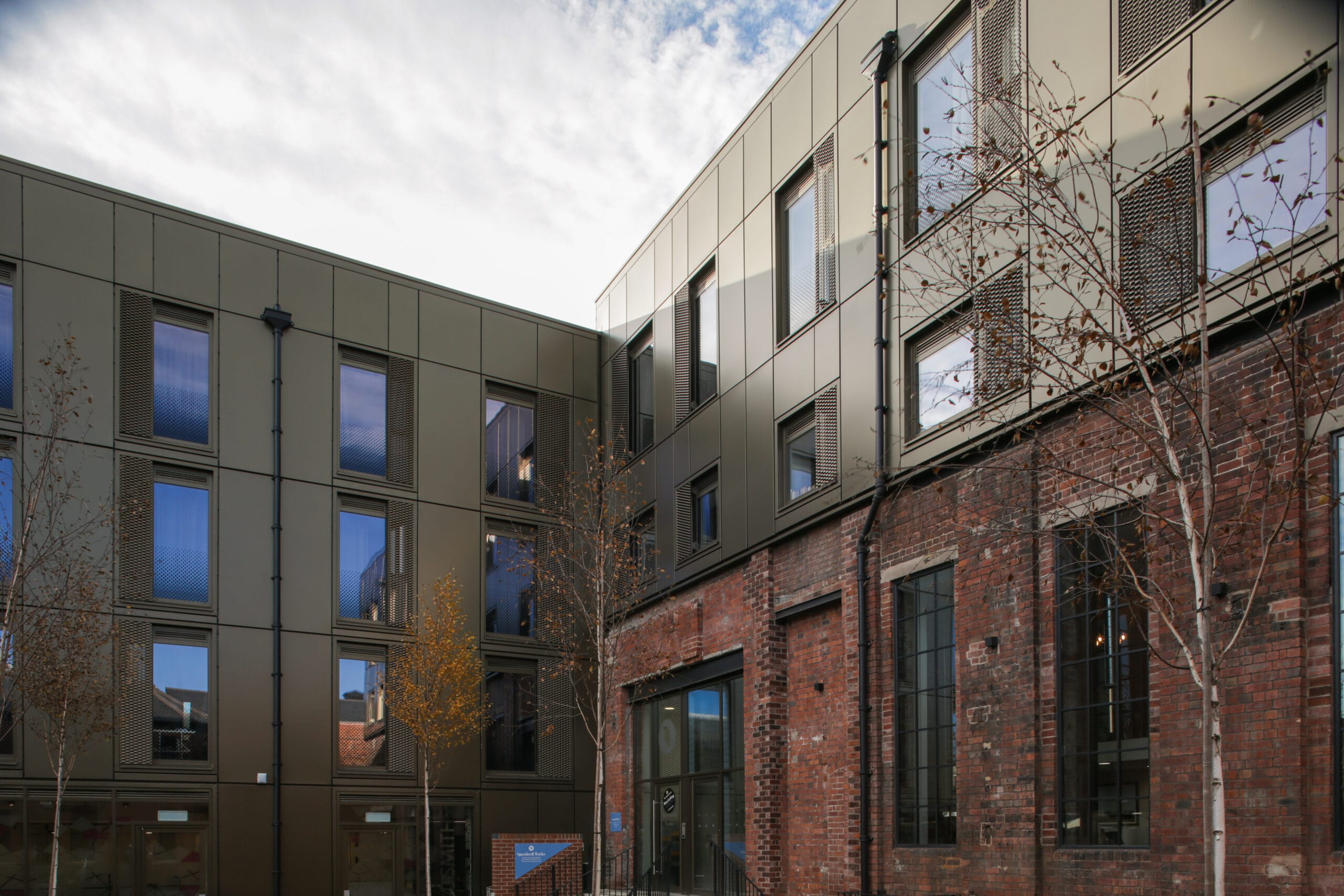
Many of these former industrial buildings — solid, well-built, and full of character — now form the backbone of Sheffield's sought-after commercial property stock, particularly in areas like Kelham Island, where converted steelworks have become some of the city's most desirable office and creative workspace.
What is Kelham Island, and why does it matter today?
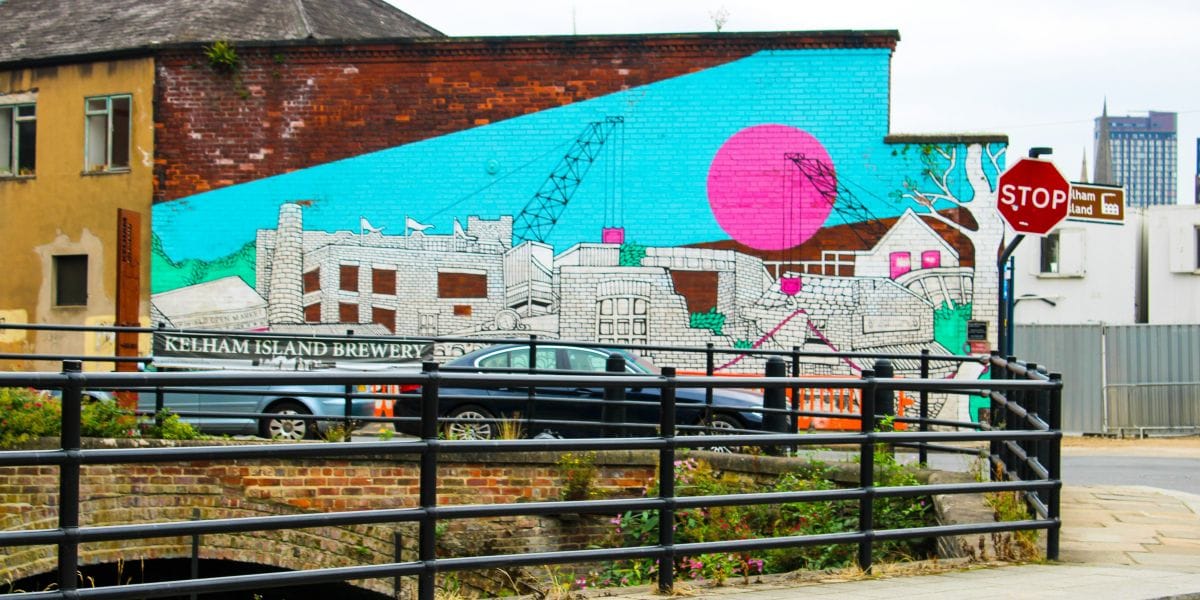
Kelham Island was once one of Sheffield's principal industrial districts, packed with steelworks and cutlery factories. When the city's steel industry declined in the 20th century, the area fell into disuse — but decades of regeneration, guided by initiatives including the Kelham and Neepsend Action Plan, have transformed it into one of Sheffield's most vibrant commercial and residential quarters.
Today, Kelham Island is regularly cited as one of the UK's most desirable urban neighbourhoods, blending converted industrial units with independent bars, restaurants, and thriving office space. If you're exploring commercial property to let in Kelham Island, our West One Lettings team can talk you through current availability in this historic district.
How has Sheffield's city centre changed in recent years?
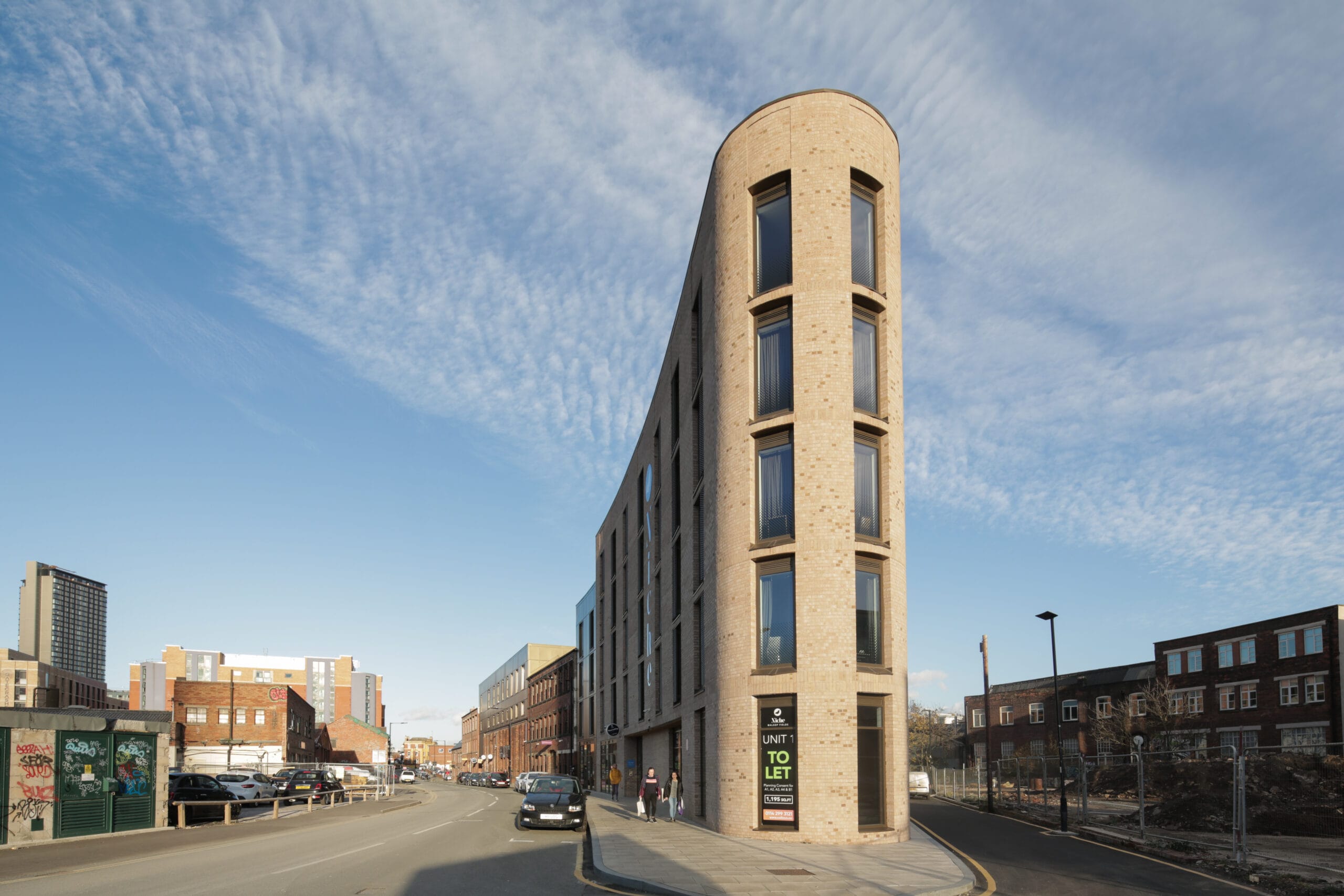
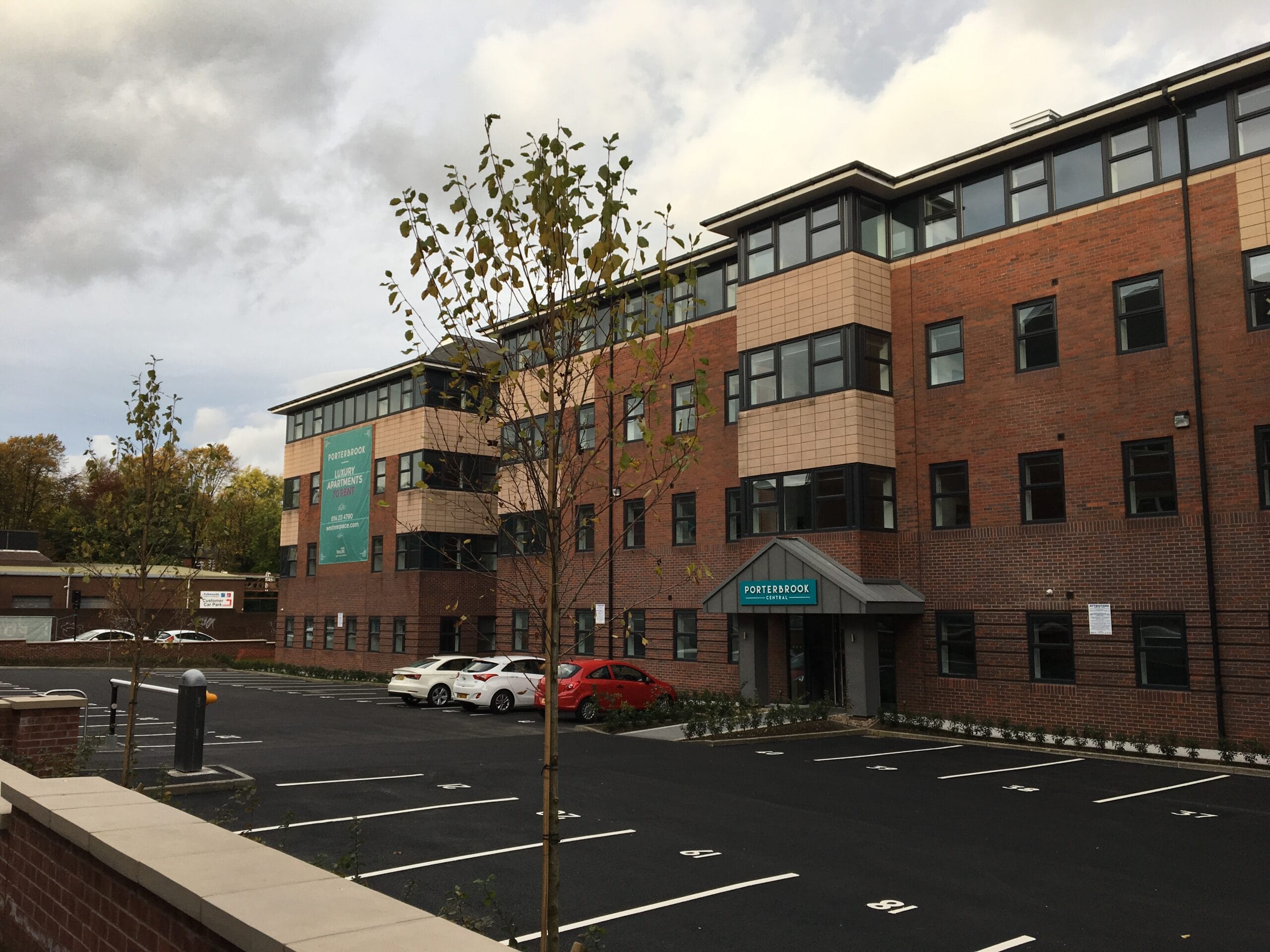
Sheffield has invested heavily in regenerating its historic core. The Heart of the City scheme has delivered new Grade A office space, retail, and leisure development across the central business district, while the Castlegate project is bringing new life to the former Sheffield Castle site. Nearby, West Bar Square — a major mixed-use development linking Kelham Island to the city centre — represents one of the largest single private-sector investments the city has seen.
Together, these projects reflect a city that continues to build its future on top of its industrial past, creating strong opportunities for businesses looking to let commercial property in Sheffield city centre.
Why is Sheffield a good location for commercial property investment today?
Sheffield's combination of heritage architecture, ongoing regeneration, strong transport links via the M1 corridor, and a skilled local workforce — bolstered by two major universities — has made it an increasingly attractive market for office, retail, and industrial occupiers. Its blend of characterful converted buildings and new-build Grade A space gives businesses genuine choice, whether they're after a boutique historic unit or a modern, purpose-built headquarters.
At West One Lettings, we manage a range of commercial properties across the city that reflect this mix. Browse our current commercial listings or get in touch with our commercial team to discuss your requirements.
Where can I learn more about Sheffield's history?
For those keen to dig deeper into the city's past, we'd recommend the following authoritative resources:
- Sheffield City Council – for local heritage and planning information
- Visit Sheffield – for heritage trails and things to see
- Museums Sheffield – for exhibitions on the city's industrial and cultural history
- University of Sheffield: Sheffield Castle Project – for ongoing archaeological research
- Friends of Sheffield Castle – a dedicated heritage group tracing the castle's story
Interested in renting commercial property in Sheffield? West One Lettings manages a range of office, retail, and industrial units across the city, from historic converted units to modern developments. Get in touch with our team to find out more, or visit our Commercial FAQ page for guidance on next steps.